
The Anti-Inflammatory Diet Beginner’s Guide: Foods That Heal
You’ve probably felt it — that low-grade fatigue, the stiff joints in the morning, the way your skin breaks out after a string of takeout meals. None of those are “just part of getting older.” They’re often quiet signals of chronic inflammation simmering under the surface. And while you can’t see it like a bruise or a rash, this kind of internal fire is what quietly fuels everything from stubborn weight gain to autoimmune flares and even brain fog. The good news? You don’t need a prescription to dial it down. A simple shift toward anti-inflammatory foods — think Mediterranean diet principles, not fad rules — can start shifting things in as little as 10 days.
Understanding Inflammation
Here’s what most wellness blogs skip: inflammation isn’t the enemy. It’s your immune system’s alarm bell — and it’s supposed to ring loud and clear when you sprain an ankle or fight off a cold. That’s acute inflammation. What’s dangerous is the *silent* version: chronic, low-level, always-on inflammation. It doesn’t come with redness or swelling. Instead, it shows up as bloating that won’t quit, afternoon crashes no amount of coffee fixes, or blood work that says “everything’s normal” — even though you feel anything but. Research links this background hum directly to heart disease, type 2 diabetes, rheumatoid arthritis, and even depression. So yes — your diet absolutely matters. Not because food is medicine (it’s not), but because every bite either dials that alarm up… or helps turn it off.
The Basics of the Anti-Inflammatory Diet
This isn’t another restrictive diet plan promising quick fixes. It’s a practical, sustainable nutrition guide built on decades of real-world evidence — much of it drawn from populations following traditional Mediterranean eating patterns. No calorie counting. No banned food groups. Just a clear framework: fill 80% of your plate with whole, minimally processed foods — especially plants — and let flavor, texture, and satiety be your compass. Think of it less as “what to cut out” and more as “what to invite in.” And how you cook matters just as much as what you choose: steaming broccoli preserves sulforaphane; roasting tomatoes boosts lycopene; even lightly sautéing onions in olive oil unlocks quercetin. Heat, time, and technique aren’t footnotes — they’re part of the anti-inflammatory toolkit.
- Make vegetables the star — not the sidekick. Aim for at least five different colors across your day.
- Choose fats that support your cells, not clog them: extra-virgin olive oil, avocado, nuts, and fatty fish.
- Treat sugar like salt — a seasoning, not a staple. Even “natural” sweeteners like agave or maple syrup spike insulin if used heavily.
- Hydration isn’t just water. Herbal teas (especially ginger or turmeric-infused), broths, and water-rich fruits count — and they help flush metabolic byproducts that feed inflammation.
Key Foods to Include
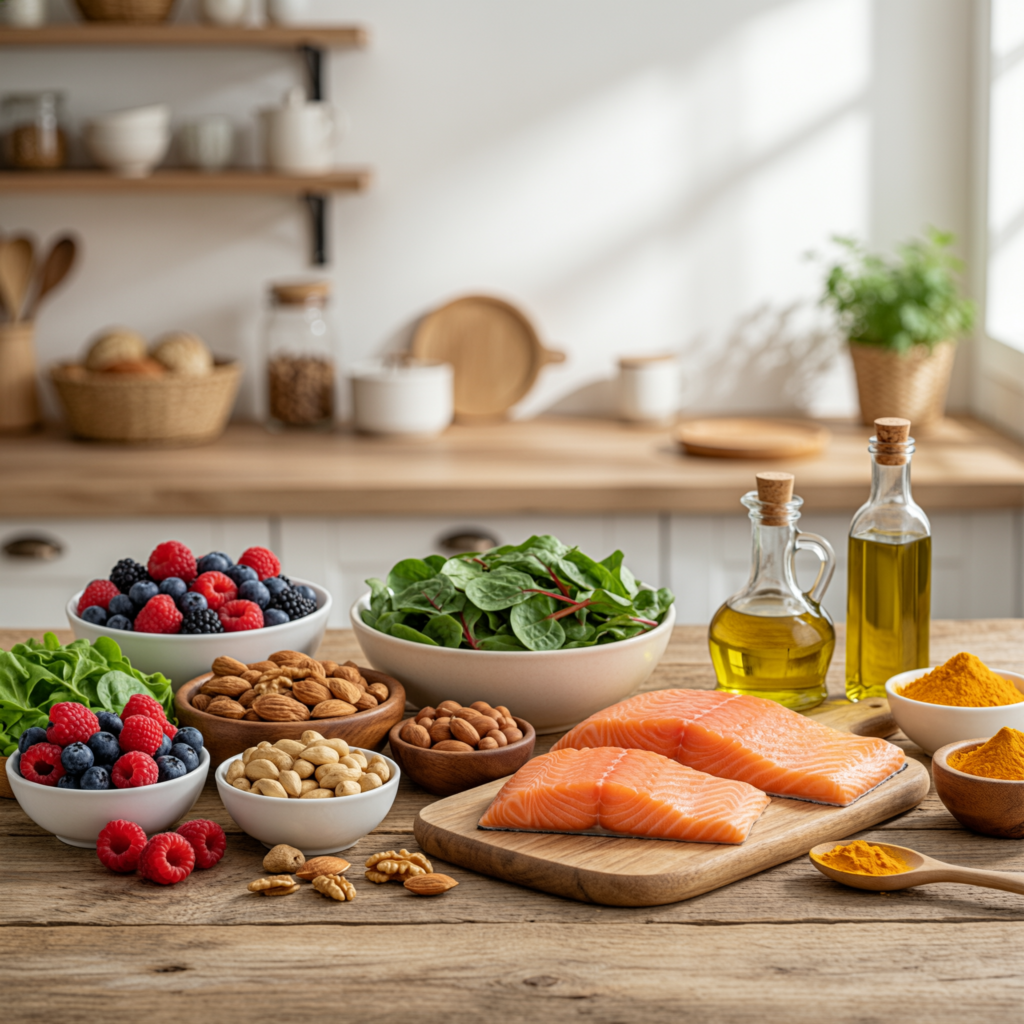
These aren’t trendy superfoods. They’re everyday ingredients backed by clinical studies — and they happen to taste great together. Think of them as your inflammation-reducing foundation:
- Leafy greens: Kale, spinach, Swiss chard — not just for salads. Blend them into smoothies, stir them into soups, or wilt them with garlic and lemon. Their folate, magnesium, and kaempferol work synergistically to calm cellular stress.
- Berries: Blueberries top the list for anthocyanins — antioxidants that actually cross the blood-brain barrier. Strawberries and blackberries hold their own too. Skip the dried versions (too much sugar) and go fresh or frozen — same nutrients, half the price.
- Nuts and seeds: Walnuts (rich in ALA omega-3s), flaxseeds (ground — whole ones just pass through), and pumpkin seeds (zinc + magnesium combo). A small handful daily does more than curb hunger — it stabilizes blood sugar and lowers CRP, a key inflammation marker.
- Fatty fish: Salmon, mackerel, sardines — not just for EPA/DHA, but for the full spectrum of marine lipids that regulate immune cell behavior. If you don’t eat fish, algae oil is a legit plant-based alternative — and it’s where fish get their omega-3s in the first place.
- Olive oil: Not just any bottle — look for “extra virgin,” cold-pressed, and harvest-date stamped. Its oleocanthal mimics ibuprofen’s action (gently) — which is why high-quality EVOO tastes slightly peppery at the back of your throat.
- Turmeric and ginger: Turmeric’s curcumin needs black pepper (piperine) to absorb — so skip the plain powder. Grate fresh ginger into dressings or steep it in hot water. Add turmeric to lentils, roasted veggies, or golden milk — but always with a pinch of pepper and a fat source (like coconut milk or olive oil).
None of these work alone. It’s the combination — the fiber from the greens feeding your gut microbes, the healthy fats carrying fat-soluble antioxidants, the spices boosting enzyme activity — that creates the real effect. That’s why “anti-inflammatory foods” isn’t a shopping list. It’s a cooking philosophy.
Foods to Avoid
You don’t have to eliminate everything overnight — but understanding *why* certain foods fan inflammation helps you make smarter swaps without feeling deprived.
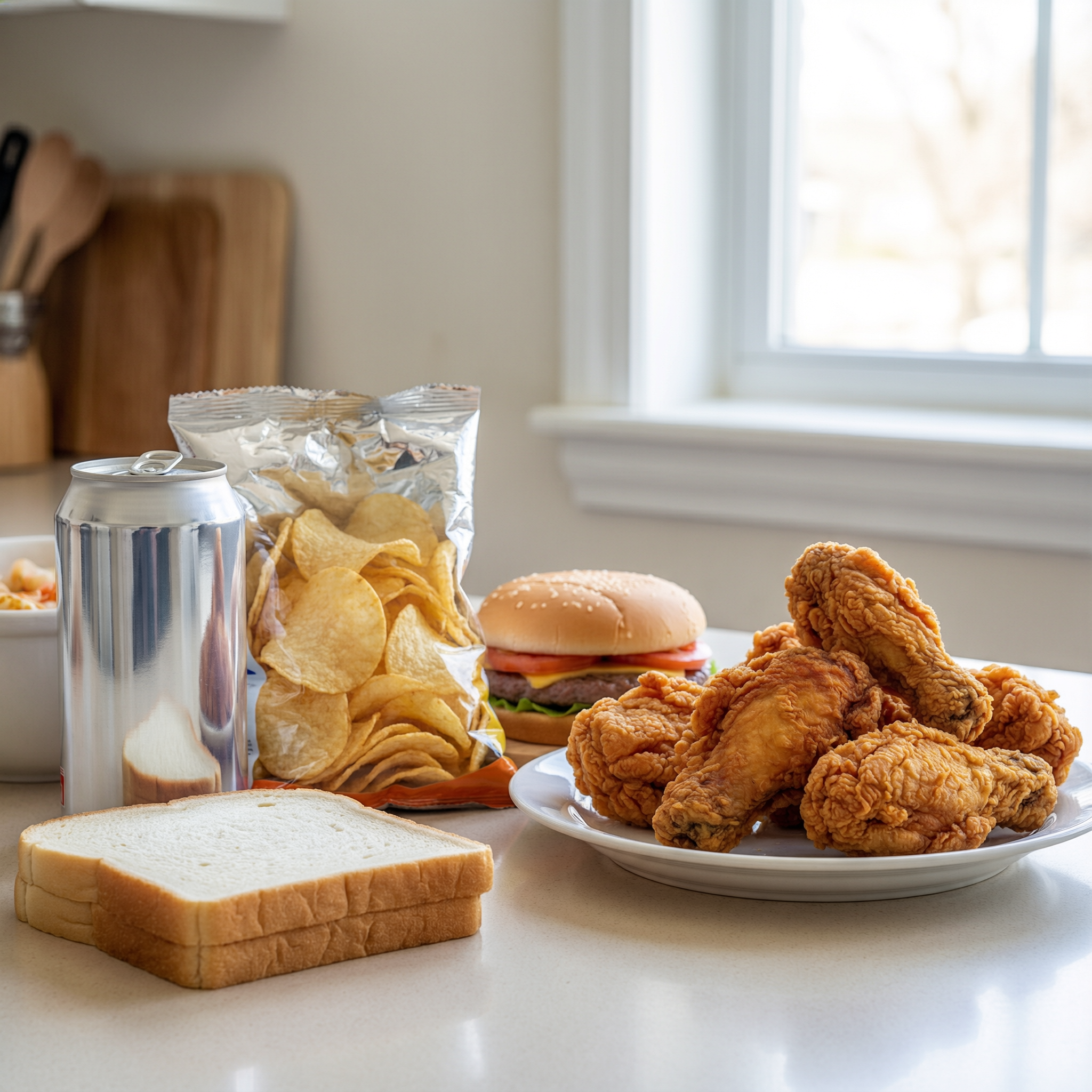
- Ultra-processed meats: Hot dogs, bacon, deli slices — loaded with nitrates, advanced glycation end products (AGEs), and saturated fats that trigger TLR-4 receptors (your body’s “danger sensors”). Try grilled chicken breast, baked tofu, or lentil-walnut “meatballs” instead.
- Sugary drinks and snacks: That soda, energy drink, or flavored yogurt isn’t just empty calories — it spikes blood glucose so fast your pancreas overreacts, releasing inflammatory cytokines. Even fruit juice lacks the fiber to slow absorption. Swap in sparkling water with lime + mint, or a small piece of dark chocolate (70%+ cacao) with almonds.
- Refined carbs: White bread, pastries, instant rice — stripped of bran and germ, they digest like sugar. Your gut lining gets irritated, your microbiome shifts toward pro-inflammatory strains, and your liver starts storing fat. Choose intact grains: steel-cut oats, farro, barley, or 100% whole-grain sourdough (fermentation helps lower gluten reactivity).
- Fried and charred foods: Deep-frying creates oxidized oils and acrylamide; grilling over open flame makes heterocyclic amines. Both are proven inflammatory triggers. Roast, braise, steam, or pan-sear instead — and if you grill, marinate first (acid + herbs = protection).
What’s striking isn’t how many things are “off-limits.” It’s how few truly essential foods get cut — and how much richer your meals become when you replace them with real flavor and texture.
Sample Meal Plan
This one-day anti-inflammatory meal plan mirrors what I’ve seen work consistently with clients — realistic, flavorful, and flexible. No meal prep marathons required:
- Breakfast: Creamy Greek yogurt (full-fat, unsweetened) swirled with mashed raspberries, a tablespoon of ground flaxseed, and a sprinkle of crushed walnuts. The probiotics + polyphenols + omega-3s hit three anti-inflammatory pathways at once.
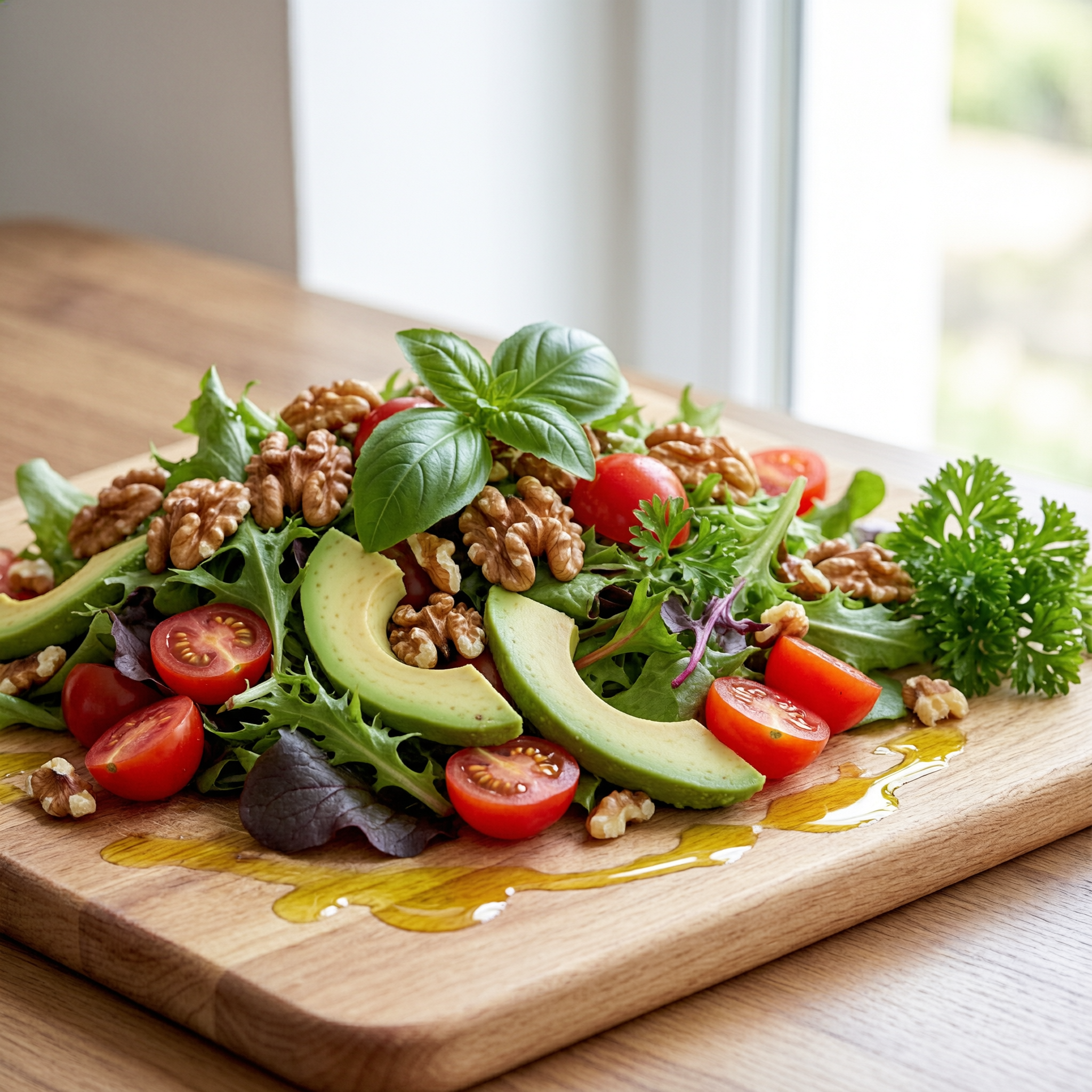
- Lunch: Big bowl of massaged kale salad — torn leaves rubbed with olive oil and lemon until tender — topped with grilled salmon, cherry tomatoes, shaved red onion, kalamata olives, and a drizzle of lemon-tahini dressing. No sad desk salad here.
- Snack: Small apple with 1 tbsp almond butter — fiber + healthy fat slows sugar absorption. Or, if you’re craving heat: a few thin slices of fresh ginger steeped in hot water with a squeeze of orange.
- Dinner: Sheet-pan roasted chicken thighs (skin-on for flavor and collagen), rosemary-roasted sweet potatoes, and garlicky sautéed broccoli rabe. Finish with a spoonful of ghee — its butyrate feeds beneficial gut bacteria.
- Dessert: A small bowl of stewed pears with cinnamon and a dollop of coconut yogurt. Warm, spiced, satisfying — and zero refined sugar.
Notice how every meal includes at least one anti-inflammatory food *and* a smart preparation method. That’s the secret: it’s not about perfection. It’s about stacking small, consistent wins — like swapping mayo for avocado, choosing brown rice over white, or adding turmeric to your scrambled eggs.
Common Questions
Is the anti-inflammatory diet suitable for everyone?
Honestly? Yes — with nuance. It aligns closely with what major health organizations (like the American Heart Association and WHO) recommend for long-term wellness. That said, if you’re managing an autoimmune condition, kidney disease, or taking blood thinners (hello, warfarin + vitamin K-rich greens), talk to your doctor or a registered dietitian first. This isn’t medical advice — it’s a nutrition guide grounded in evidence, not ideology.
Can I still enjoy my favorite foods while following this diet?
Of course. I’ve had clients reverse joint pain while still enjoying homemade pizza — just with a cauliflower crust, roasted veggie toppings, and a light dusting of feta instead of mozzarella overload. Or dark-chocolate-covered almonds instead of candy bars. The goal isn’t purity. It’s proportion. Aim for 85% anti-inflammatory choices — then savor the rest without guilt.
How long does it take to see results from an anti-inflammatory diet?
Most people notice subtle shifts in energy, digestion, or sleep within 7–10 days. Joint stiffness or skin clarity often takes 3–4 weeks. But here’s what nobody tells you: the biggest win isn’t symptom relief. It’s learning to trust your body again — to read its signals, adjust your plate accordingly, and stop outsourcing your health to the next trending diet. That’s real wellness.
Final Thoughts
This isn’t about chasing some mythical “perfect” diet. It’s about building resilience — one real, flavorful, nutrient-dense meal at a time. Chronic inflammation doesn’t vanish overnight. But your body knows how to heal when you stop pouring fuel on the fire. Start with one swap this week: olive oil instead of butter, berries instead of cereal, ginger tea instead of soda. Small. Consistent. Human. That’s how real change begins — not in a lab, but at your kitchen table.