

Scotland and Faroe Islands Travel Guide: Hidden Highland Gems
1. Introduction
Ever wondered where to go next when you’re craving an escape from the ordinary? Let’s talk about two places that should be on every adventurer’s bucket list: Scotland and the Faroe Islands. Both offer something special — landscapes so dramatic they feel almost otherworldly. And here’s the best part? These aren’t just your run-of-the-mill tourist spots. They’re packed with hidden gems waiting to be discovered.
From misty highlands to rugged cliffs, this journey through Europe will leave you breathless in more ways than one. So buckle up, because we’re diving into why these destinations are perfect for travelers who want more than just another Instagram backdrop.
2. Why Scotland and the Faroe Islands Are Perfect for Adventure Travel
Let’s start with the obvious: both Scotland and the Faroe Islands have scenery that could rival any postcard-perfect destination. But what makes them truly stand out isn’t just their beauty—it’s how untouched they feel. In Scotland, you’ll find rolling hills and lochs that make you question whether time even exists anymore. Meanwhile, the Faroe Islands offer a level of isolation that’s rare in today’s crowded world.
Hiking enthusiasts, take note. These locations aren’t just scenic—they’re playgrounds for those who love the outdoors. Whether you’re scaling mountains or wandering along coastal paths, there’s always a new view around the corner. Plus, the locals? They’re as warm and welcoming as the morning sun peeking over the horizon.
3. Exploring the Scottish Highlands: Beyond the Obvious
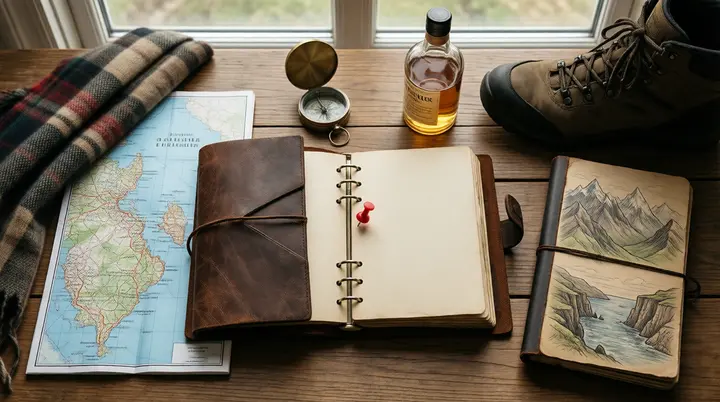
You’ve probably heard of Glencoe and Ben Nevis. Great choices, sure—but let’s get real: everyone else has already been there. If you really want to uncover Scotland’s magic, you need to dig deeper. How about exploring lesser-known trails like the Fairy Pools on Skye? Or maybe venturing off the beaten path to see the quiet charm of places like Applecross?
Here’s the thing: the Highlands aren’t just about stunning views (though trust me, they deliver). They’re also steeped in history. Every stone tells a story if you know where to look. For instance, did you know that many clans fought fiercely to protect their land right here? That kind of legacy gives each step you take a little extra meaning.
4. The Faroe Islands: A Remote Paradise for Hikers
If you think remote means boring, think again. The Faroe Islands might not be easy to reach, but once you arrive, you’ll wonder why anyone would bother going anywhere else. Imagine hiking across terrain so varied it feels like nature can’t decide between mountains, waterfalls, or sheer cliffs plunging into the sea.
And then there’s the wildlife. You won’t just spot birds—you’ll be surrounded by puffins acting like tiny clowns during breeding season. Seriously, it’s adorable chaos. Oh, and don’t forget about the villages tucked away in valleys so narrow you’d miss them if you blinked while driving past.
5. Planning Your Itinerary: Tips for a Seamless Journey
Alright, so now you’re sold on visiting these incredible destinations. But how do you actually plan a trip without losing your mind? Here’s my advice:
- Prioritize flexibility. Weather changes fast in both Scotland and the Faroes, so having a backup plan is key.
- Book accommodations early. Especially in smaller towns or villages, rooms fill up quickly during peak seasons.
- Rent a car. Public transport is limited in some areas, and driving yourself opens up access to far-flung treasures.
Also, pack layers. Layers upon layers. Because nothing ruins a day of island hopping faster than being cold and wet.
6. Common Questions
What time of year is best for visiting Scotland and the Faroe Islands?
While summer months bring longer daylight hours and milder temperatures, shoulder seasons like spring and autumn often provide fewer crowds and equally breathtaking weather. Honestly, though, each season offers its own charm—just be prepared for unpredictable conditions no matter when you go.

Do I need special gear for hiking in these regions?
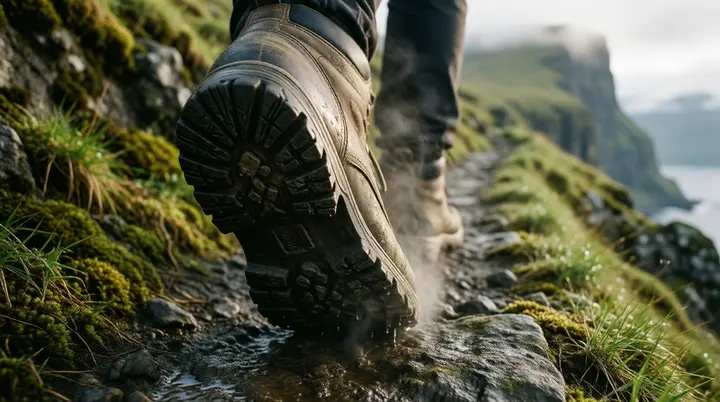
Absolutely. Both places feature challenging terrains and rapidly changing climates. Invest in sturdy boots, waterproof jackets, and breathable clothing designed for outdoor adventures. Trust me, your feet will thank you later.
Is it safe to travel alone in these areas?
Yes, absolutely. Both Scotland and the Faroe Islands are considered very safe for solo travelers. That said, stick to marked trails, carry emergency supplies, and inform someone about your plans before heading out into more isolated regions.
7. Final Thoughts
Traveling to Scotland and the Faroe Islands isn’t just about ticking boxes on a checklist. It’s about immersing yourself in experiences that remind you how small—and yet connected—we all are within this vast world. From the whispers of ancient glens to the roar of crashing waves against cliff faces, these destinations invite you to slow down and simply exist.
So, what are you waiting for? Pack your bags, lace up your boots, and prepare to fall in love with adventure all over again.