
Breathwork for Stress Relief: 5-Minute Techniques That Actually Work
- 1. The Real Reason Most Breathing Exercises Fail
- 2. Box Breathing: Simpler Than You Think (But Timing Matters)
- 3. 4-7-8 Breathing: Why the Pause Is the Secret Weapon
- 4. Diaphragmatic Breathing: Not Just “Belly Breathing” — It’s About Resistance
- 5. Coherent Breathing: The 5.5-Second Sweet Spot
- 6. When to Skip Breathwork (Yes, Really)
- 7. Common Questions
- 8. Final Thoughts
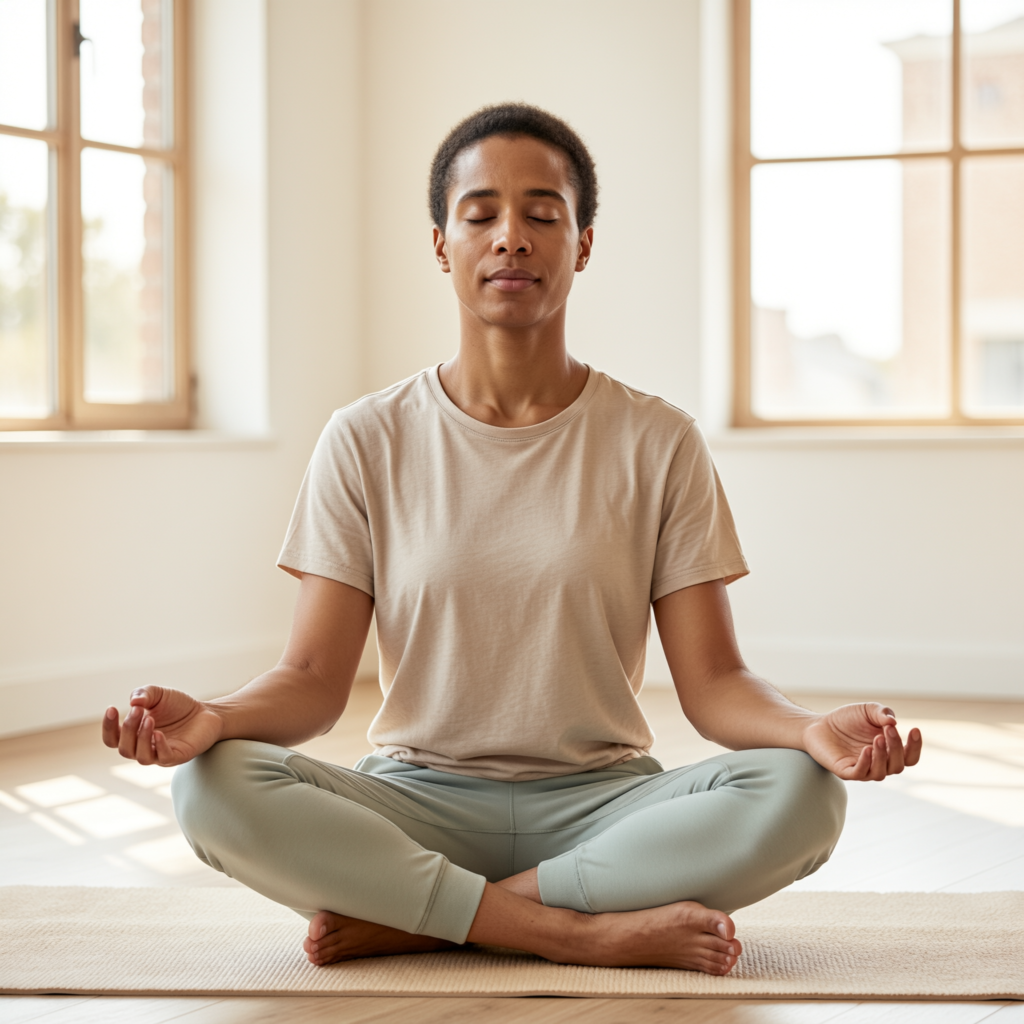
You’ve tried breathing exercises before — maybe a quick inhale-hold-exhale while waiting for your coffee to brew, or that 4-7-8 TikTok clip you saved and never opened again. You didn’t quit because you’re unmotivated. You quit because it felt like whispering into a hurricane: all effort, zero echo. What most stress relief guides skip is this truth — breathwork isn’t about controlling air. It’s about speaking the language your nervous system actually understands. And that language has three words: rhythm, posture, and permission. Permission to pause *before* the exhale. Permission to sit upright *without* stiffening. Permission to let your belly move — not because you’re “doing it right,” but because your diaphragm finally got the memo that it’s safe to drop. I’ve watched people walk away from breathwork after two days… then come back six weeks later, eyes wide, saying, “I didn’t know my shoulders could unclench *that* fast.” That shift? It wasn’t magic. It was one technique, done once, with hands on ribs, feet flat, no phone in sight.
The Real Reason Most Breathing Exercises Fail
Here’s what’s really happening when box breathing leaves you more wired than calm: your body isn’t listening to the count — it’s reading your posture, your jaw tension, and whether your exhale actually lands longer than your inhale. If it doesn’t, you’re not relaxing. You’re gently revving your stress engine. Most breathing exercises for stress fail because they’re taught as math problems — “4 in, 4 hold, 4 out” — instead of nervous system negotiations. Your vagus nerve doesn’t care about symmetry. It cares about safety signals. And the strongest signal? A slow, full exhale that lasts at least 20% longer than the inhale. Slump in your chair while doing it? Your spine sends a “danger” cue that overrides everything else. Try it upright — spine tall, chin slightly tucked, shoulders soft — and suddenly the same numbers land differently. That’s why 90 seconds of 4-7-8 breathing *after* your last email of the day works better than five minutes of the same thing during a Zoom call where your boss just asked, “Can you send that by noon?” Context isn’t optional. It’s the delivery system.
Box Breathing: Simpler Than You Think (But Timing Matters)
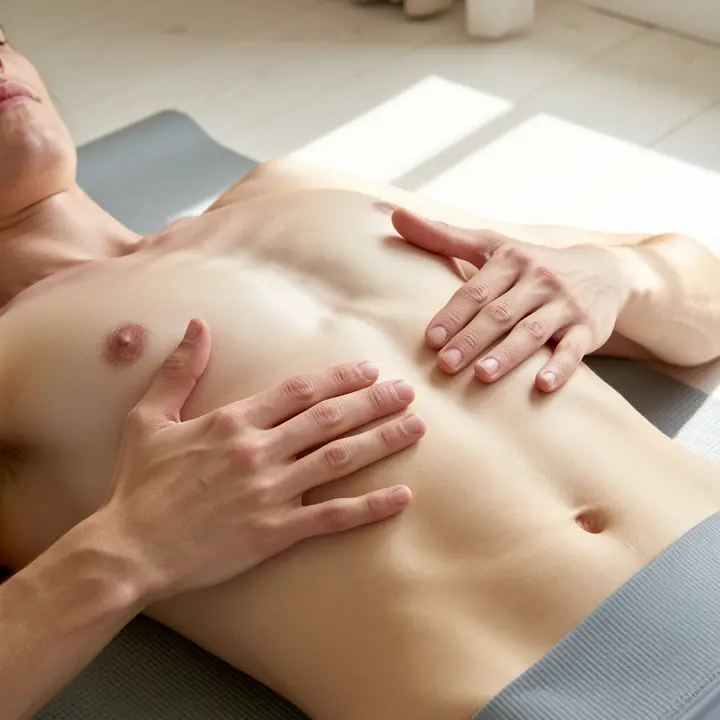
Forget “military-grade.” Box breathing is really just rhythm training for your autonomic nervous system — and rhythm gets wrecked the second you force it. The classic 4-4-4-4 pattern? It backfires for about half the people who try it — especially if anxiety lives in your chest or your breath tends to hover high. Try 3-3-3-3 instead. Three seconds in. Three seconds hold. Three seconds out. Three seconds rest. Why? Because longer holds spike intrathoracic pressure — which tricks your body into thinking it’s under mild threat. Dizziness, tightness, that weird “wired but tired” feeling? That’s often the hold doing its quiet sabotage. Place one hand on your sternum, one low on your belly. If your chest lifts first — stop. Reset. Breathe in *only* until your belly rises, *then* let your ribs expand. That’s diaphragmatic initiation, not accessory muscle hijacking. Do this for exactly 90 seconds — set a silent timer, close your eyes, and check in after: Did your jaw soften? Did your fingers feel warmer? That’s not imagination. That’s your parasympathetic system waking up from standby.
4-7-8 Breathing: Why the Pause Is the Secret Weapon
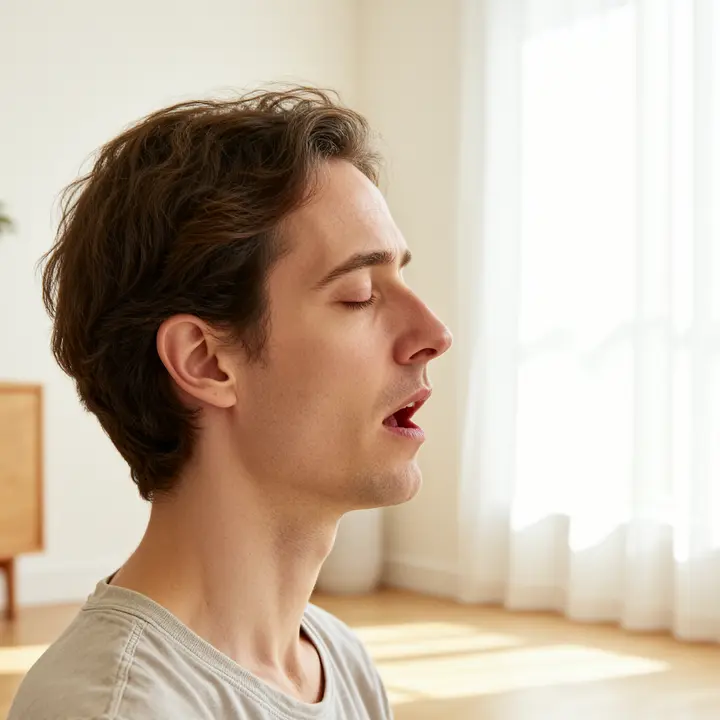
The 7-second hold in 4-7-8 isn’t filler. It’s the hinge point — the moment your aorta’s baroreceptors get the memo: “Blood pressure’s stable. Heart rate can ease.” Most people shorten it without realizing, or hold their breath like they’re bracing for bad news. Try this instead: use a vibration-only timer (no sound), close your eyes, and count silently — not aloud. Speaking the numbers adds cognitive load, which keeps your prefrontal cortex online when you want it offline. And ditch the “tongue behind teeth” cue unless you’re lying down. Sitting upright? That position tenses your jaw and neck — the opposite of what you want. Save 4-7-8 for *after* the stress hits — not before. Right after a tense text exchange. Right after you hang up from a frustrating call. That’s when your amygdala is still humming, primed to receive the “all clear” signal. Do it preemptively, and it’s background noise. Do it in the wake of real tension? It’s a reset button.
Diaphragmatic Breathing: Not Just “Belly Breathing” — It’s About Resistance
“Breathe into your belly” is one of those phrases that sounds helpful but sets people up to fail. Your diaphragm doesn’t inflate like a balloon — it’s a dome-shaped muscle that moves *down* only when there’s gentle resistance underneath. That resistance comes from your transverse abdominis — the deep, corset-like muscle wrapping your waist. Here’s how to find it: sit tall, place both hands just below your lowest ribs, thumbs pointing inward toward your spine. Inhale slowly — not to push your belly out, but to let your ribs expand *into* your thumbs. Then, on the exhale, lightly draw your navel toward your spine — not by sucking in, but by engaging that deep core layer, like zipping up a snug pair of jeans. That micro-tension creates intra-abdominal pressure, which is what makes diaphragmatic breathing actually shift your nervous system — not just move air. Do this for three minutes, twice a day (morning and mid-afternoon), and track your resting heart rate. Most people see a 3–5 bpm drop within five days. That’s not placebo. That’s measurable emotional wellbeing, built one intentional exhale at a time.
Coherent Breathing: The 5.5-Second Sweet Spot
Coherent breathing targets 5.5 seconds in, 5.5 seconds out — the pace where heart-rate variability (HRV) peaks. But here’s the shortcut nobody talks about: skip the timer. Hum on the exhale instead — low, steady, resonant. Try an “mmm” or “ng” sound, like the hum at the end of “sing.” That vibration engages your vagus nerve directly, slows your exhale naturally, and bypasses the mental chatter of counting. Sit upright — feet flat, pelvis neutral, shoulders relaxed — not lying down. Why? Because coherence builds best when your body is in “ready but not reactive” mode, not full shutdown. Six rounds (about two minutes) is plenty. Afterward, don’t ask, “How do I feel?” Ask, “Did my shoulders drop an inch without me telling them to?” That subtle, automatic release? That’s your nervous system recalibrating — not your mood improving, but your baseline shifting.
When to Skip Breathwork (Yes, Really)
Breathwork for stress isn’t a universal fix — and pretending it is does real harm. Skip it if you’re in acute panic (you risk hyperventilation), have uncontrolled high blood pressure, or are less than six weeks out from abdominal surgery. Also avoid guided breathing during meals — digestion needs full parasympathetic attention, and intentional breath control can interfere with enzyme release and gut motility. And never force breathwork during grief, trauma processing, or emotional overwhelm. It can amplify somatic memory before your system is ready to integrate it. Instead, try grounding: press your palms together firmly for 15 seconds, then release — feel the warmth, the weight, the return of sensation. Or sip cold water slowly, noticing the temperature change on your tongue. These aren’t “lesser” tools. They’re smarter entry points. Healthy habits aren’t about checking boxes — they’re about listening deeply and responding with kindness, even if that means skipping the breathwork entirely.
Common Questions
Can breathwork replace medication for anxiety management?
No — and framing it that way risks real harm. Breathwork is a powerful regulatory tool, not a pharmaceutical substitute. Studies show it reliably lowers self-reported anxiety and boosts HRV, but it doesn’t alter serotonin reuptake or dampen limbic hyperactivity the way SSRIs or therapy do. For moderate-to-severe anxiety, it works best *alongside* evidence-based treatment — not instead of it. Think of it like physical therapy for your nervous system: essential maintenance, not emergency surgery.
How long until I notice results from daily breathing practice?
Most people feel subtle shifts — less jaw clenching at traffic lights, fewer shoulder shrugs during Zoom calls — within three to four days of consistent 2–3 minute sessions. But don’t wait for “results.” Track the micro-changes: faster recovery after minor frustrations, deeper sleep onset, quieter internal chatter during routine tasks. Those aren’t side effects — they’re signs your breathing practice is rewiring your baseline reactivity, not just masking symptoms.
Is guided breathing better than doing it solo?
Guided breathing helps beginners bypass overthinking — but relying on it exclusively builds dependency, not resilience. After two weeks, switch to silent counting or humming. Your goal isn’t to follow a voice. It’s to build interoceptive awareness — the quiet, confident sense of your own breath without needing external instruction. That’s where real, lasting emotional wellbeing takes root.
Final Thoughts
Breathwork isn’t another item on your wellness to-do list. It’s the quiet, daily act of reclaiming the one thing you do 20,000 times a day — unconsciously, automatically, and often against yourself — and turning it into an anchor instead of an alarm.