
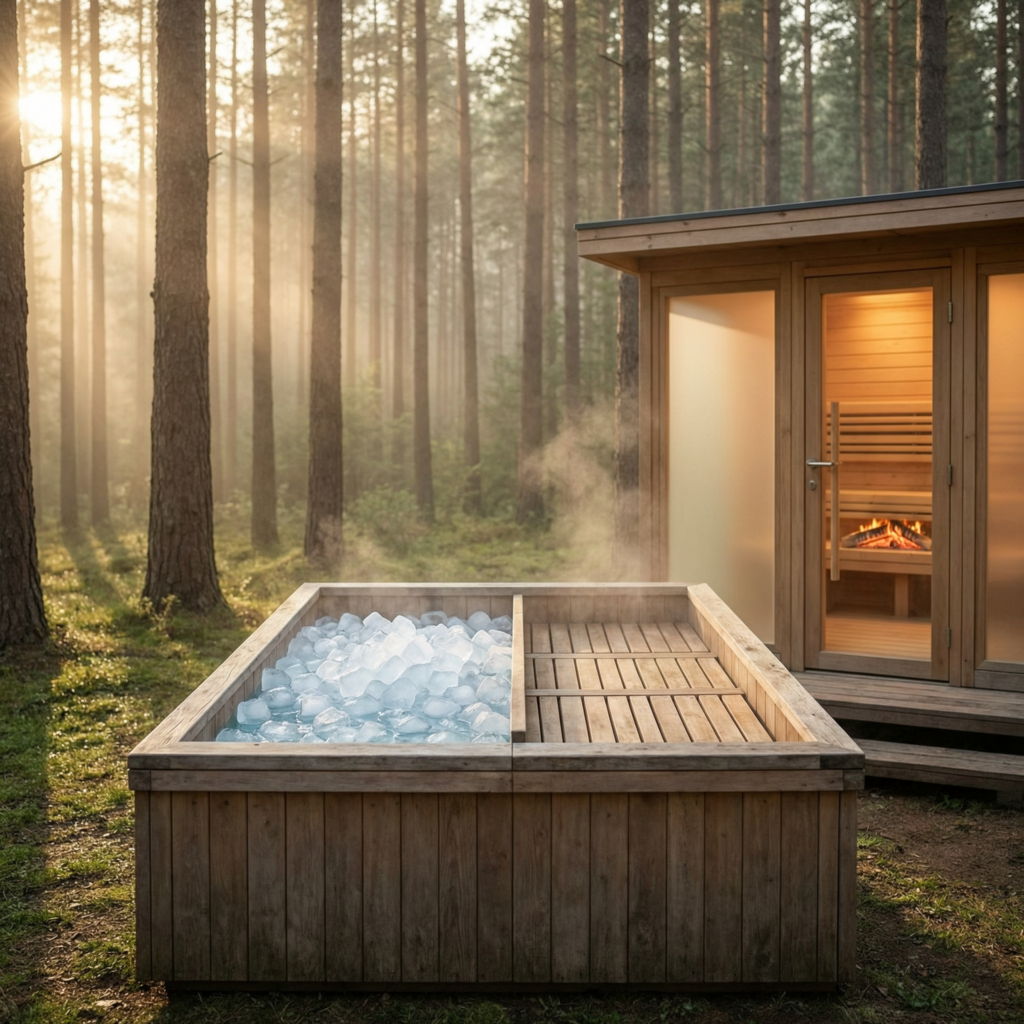
Cold Plunge vs Sauna: Which Recovery Method Is Worth It?
You’re dripping sweat after a deadlift session — or maybe you just ran hills until your quads burned. You want recovery. Fast. So you stand there, towel in hand, staring at two doors: one labeled “ice bath,” the other “sauna.” Which one actually moves the needle? Not the flashy one. Not the one your gym influencer swears by. The one that *works* for *you*, right now.
The Cold Plunge: A Shock to the System
That first gasp when you step into a cold plunge isn’t drama — it’s your nervous system hitting emergency brakes. Your skin prickles. Your breath hitches. Your jaw locks. For about 90 seconds, it feels like betrayal. And then? Something shifts.
What’s happening isn’t magic — it’s physiology. When water drops below 59°F (15°C), blood vessels near the surface clamp down hard. That forces stagnant fluid — lactic acid, inflammatory cytokines, metabolic debris — out of overworked muscle tissue. Then, once you step out, those same vessels rebound wide open. Fresh blood rushes back in, loaded with oxygen and repair compounds. It’s less “flushing toxins” (a myth) and more like rebooting circulation where it had stalled.
I’ve watched people bail after 45 seconds — and others stick it out for three minutes. The sweet spot for most? 2–3 minutes at 50–55°F. Longer isn’t better. Colder isn’t safer. And jumping straight from hot yoga into an ice bath? Bad idea — your heart rate spikes unpredictably. Start slow. Use a timer. And never do it alone if you’re new to cold exposure.
Sauna Benefits: The Heat is On
A good sauna session feels like sinking into warm honey — slow, deep, inevitable. You don’t fight it. You let your shoulders drop. Your breathing slows. Even your thoughts soften at the edges.
Heat therapy doesn’t numb soreness like cold does. Instead, it loosens up connective tissue, improves joint mobility, and gently raises core temperature — which triggers heat shock proteins. These little repair crews help rebuild damaged muscle fibers and protect cells from future stress. Plus, your heart works harder (like light cardio), pumping blood more efficiently through tight, fatigued areas.
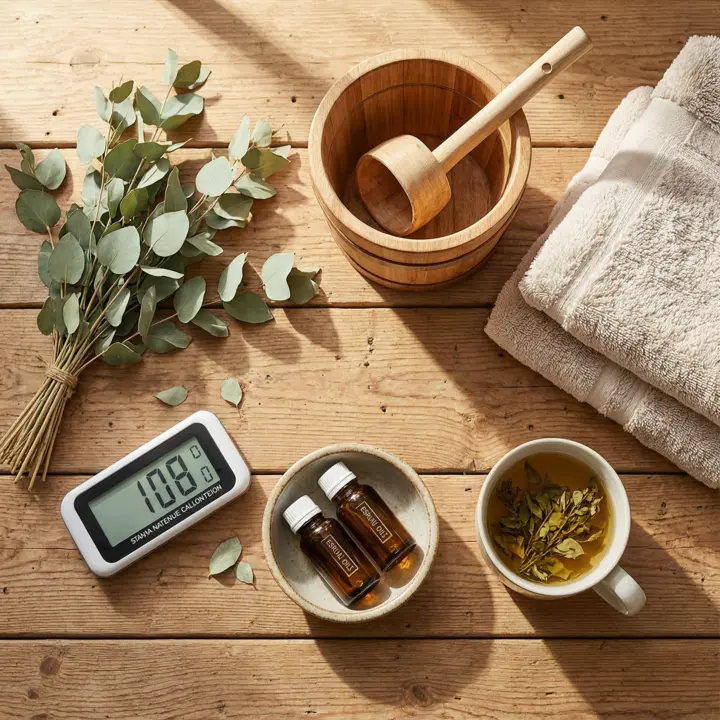
Here’s what most fitness blogs skip: the mental reset matters *more* than you think. That 15-minute stillness — no phone, no agenda, just heat and quiet — lowers cortisol by as much as 25% in some studies. If your recovery isn’t just about muscles but about showing up rested for your kid’s soccer game or your 7 a.m. meeting? That’s where the sauna quietly wins.
Muscle Recovery: What Works Best?
Let’s cut the “versus” noise. Cold plunges and saunas aren’t rivals. They’re teammates — just different positions on the same field.
Cold works best *immediately* post-workout if you’re dealing with acute inflammation — think heavy squats, sprint intervals, or anything that left you limping downstairs the next morning. It’s your fire department: fast, focused, puts the blaze out before it spreads.
Saunas shine later — 24–48 hours after training, or on rest days. That’s when stiffness sets in, circulation slows, and movement feels sticky. Heat opens things up. It’s your physical therapist, your massage, your gentle nudge back toward fluid motion.
Some elite lifters use both — 10 minutes in the sauna, 2 minutes in cold, repeat twice. But honestly? Most people get 80% of the benefit from doing *one*, consistently, and skipping the circus act. Pick the tool you’ll actually use — not the one that looks best on Instagram.
Wellness and Mental Health
Recovery isn’t just about how fast your hamstrings heal. It’s about whether you feel like yourself again — calm, clear, capable.
Cold plunges are brutal mindfulness. There’s no distraction. No scrolling. Just you, your breath, and the raw sensation of survival. That’s why so many report sharper focus and lower anxiety *after* regular cold exposure — not because the cold “fixes” anxiety, but because it trains your nervous system to stay grounded under pressure. It’s exposure therapy, minus the therapist.

Saunas, meanwhile, are anti-anxiety architecture. The warmth signals safety to your brain. Your vagus nerve hums. Your thoughts stop racing. One study found people who used saunas 2–3x/week reported significantly better sleep quality — and better sleep is the single biggest lever for mental resilience most people ignore.
Practical Considerations
Let’s talk reality: convenience decides 90% of what sticks.
An ice bath at home means buying a tub, a chiller (or bags of ice — $30/week), space to drain it, and tolerance for constant cleanup. Public cold plunges? Often unregulated — temperatures vary wildly, and hygiene depends entirely on whoever last cleaned the filter. I tested four local spots last month. Two were lukewarm. One smelled faintly of chlorine and regret.
Saunas are simpler. Most gyms have them — clean, calibrated, and free with membership. Home units run $1,200–$4,500, but infrared models heat up in 10 minutes and use half the electricity of traditional ones. And unlike cold plunges, you can use them year-round without worrying about frostbite or shivering through your teeth.
Common Questions
Is a cold plunge better than a sauna for muscle recovery?
No — and that’s the point. Cold plunges reduce acute soreness and swelling *right after* intense effort. Saunas improve blood flow and tissue elasticity *during* recovery phases. If you’re comparing them head-to-head, you’re probably overlooking what your body actually needs *today*. Ask yourself: “Do I need to calm down inflammation, or do I need to loosen up tightness?” That question answers itself.
Can I use both a cold plunge and a sauna in the same session?
You can — but it’s not always smarter. Doing sauna first, then cold, mimics contrast therapy (used by pro athletes), but it also taxes your cardiovascular system. If you’re over 45, have high blood pressure, or feel lightheaded standing up, skip the combo. Stick to one modality per session — and prioritize consistency over complexity.
Are there any risks associated with cold plunges and saunas?
Yes — and they’re often underestimated. Cold plunges can trigger arrhythmias in susceptible people, especially if you jump in after drinking alcohol or caffeine. Saunas dehydrate you faster than you realize — you can lose up to 1.5 liters of fluid in 20 minutes. Always rehydrate *before* and *after*, not just during. And if your skin stays pale or clammy long after a session? That’s your body saying “enough.” Listen.
Final Thoughts
There’s no universal recovery hack. No silver bullet. What works for a CrossFit coach recovering from double sessions won’t match what a teacher needs after standing all day — or what a new parent craves after surviving on 3 hours of sleep.
Try the cold plunge if you need sharp, immediate relief from soreness — and you enjoy the adrenaline rush of pushing your edge. Try the sauna if you want deeper relaxation, better sleep, and steady, low-pressure support for stiff joints and tired nerves.
Or try neither — and go for a 20-minute walk outside instead. Because real recovery starts with honoring what your body tells you, not chasing what’s trending.