
How Tariffs Are Affecting Everyday Product Prices in 2026
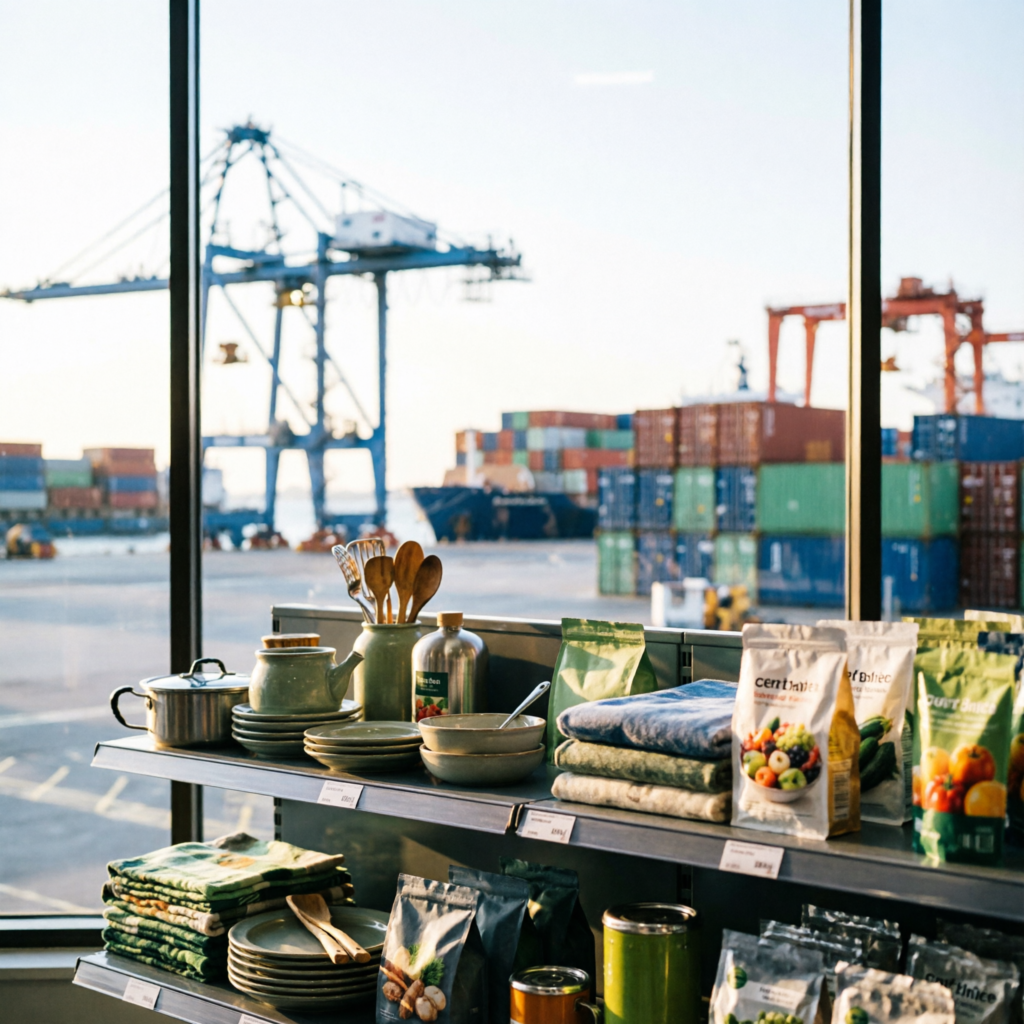
You scan the shelf for your usual brand of coffee—same bag, same logo—and stop cold. $14.99. Last month it was $12.49. You check the cereal box next to it. Up 17%. The toaster oven you’ve been eyeing? Now $229 instead of $189. This isn’t random. It’s not just “inflation” as a vague headline. It’s tariffs—real, live, 2026 import tariffs—hitting your cart before you even reach the register.
Understanding the Basics of Tariffs
Think of an import tariff like a customs fee—but one that doesn’t go to road repair or border patrols. It goes straight into government coffers, paid by the company bringing goods in. In 2026, those fees aren’t just symbolic. On average, U.S. import tariffs on electronics from Southeast Asia are up 12% since 2023. On apparel from Vietnam? 9.5%. These aren’t abstract numbers—they’re line items added *before* a single item hits a warehouse shelf. And every cent gets baked in: shipping, duties, compliance paperwork, storage delays caused by new inspections. That “$299 laptop”? About $37 of that is now pure tariff overhead—not tech, not labor, not profit. Just policy.
The Ripple Effect on Consumer Prices
Here’s what most people miss: retailers don’t get to choose whether tariffs raise prices. They get to choose *how much* they raise them—and how fast. A small boutique might absorb $2–$3 per item for three months, hoping customers won’t notice. A big-box chain? They run models. If tariffs add $8.40 to the landed cost of a pair of wireless earbuds, and they sell 1.2 million units a quarter, absorbing that loss means $10 million gone from their bottom line. So they raise the price by $12.99—not $8.40. Because they also need to cover the extra accounting staff, the updated pricing software, and the customer service calls asking, “Why is this suddenly $13 more?” That’s how a $1.50 tariff becomes a $12.99 sticker shock. And yes—it applies to canned beans, baby formula, and bike helmets too.
Inflation and the Cost of Living
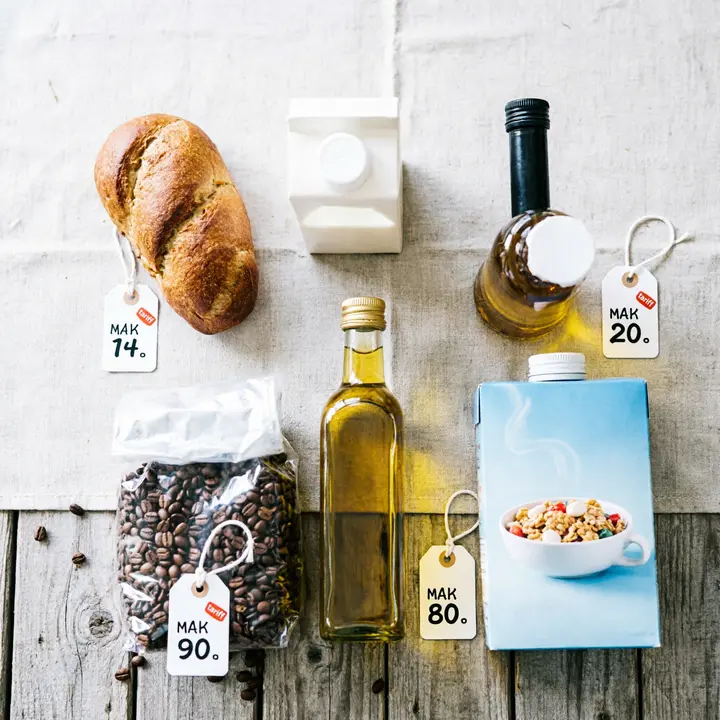
Inflation isn’t just “prices going up.” It’s your paycheck stretching thinner across the same list—except the list keeps growing. Tariffs feed directly into that squeeze. Economists at the Federal Reserve estimate that 2026’s round of import tariffs added roughly 0.4 percentage points to core CPI—enough to turn a 3.2% annual inflation rate into a 3.6% one. Doesn’t sound like much—until you realize that pushes the average renter’s grocery bill up by about $21 a month. Or makes that used car loan $47 pricier over five years. That’s not theoretical. That’s real money, pulled out of household budgets without warning. And unlike gas spikes or seasonal produce swings, tariff-driven price hikes tend to stick—no rollback, no discount season, just quiet, permanent recalibration.

Global Trade and Economic Impacts
Tariffs don’t travel alone. They bring friends—like retaliatory duties, delayed shipments, and factories quietly rerouting orders through Malaysia instead of Mexico. When the U.S. raised steel tariffs in early 2026, Canada responded with 25% duties on American whiskey and maple syrup. Not symbolic. Real. U.S. distilleries lost $82 million in export revenue in six months. Meanwhile, auto parts suppliers in Ohio reported 14-week lead times—up from 3 weeks—because Chinese components were getting held for secondary inspection at ports. Global trade isn’t some distant abstraction. It’s the reason your dishwasher repair takes three months and costs $400 more than last year. Every time a country treats tariffs like a bargaining chip, the whole system grinds a little slower—and everyone pays the friction fee.

Retailers and the Struggle to Adapting
Most retailers didn’t sign up for geopolitics. They signed up to move inventory. But in 2026, supply chain managers spend more time reading trade bulletins than sales reports. Some are reshoring—but “reshoring” rarely means “moving back to Ohio.” It means shifting final assembly to Tennessee while keeping circuit boards made in Taiwan (now subject to new licensing rules). Others are dual-sourcing—buying 60% from Vietnam and 40% from Bangladesh to hedge against sudden duty hikes. One regional hardware chain I spoke with started labeling products with origin tags: “Made in Mexico (Tariff-Exempt)” vs. “Made in China (Duty-Affected).” Customers actually respond to that. But here’s the catch: none of these fixes lower prices. They just slow the climb. And every workaround adds cost—more logistics staff, more audits, more legal reviews. That cost lands, inevitably, on you.
Common Questions
What are the main reasons for imposing tariffs?
Politicians cite three things: protecting jobs (especially in manufacturing), pressuring other countries during trade talks, and raising federal revenue. But the reality is messier. The steel tariffs weren’t really about saving blast furnaces—they were about sending a message to Brussels. And the revenue angle? It’s tiny. Tariffs brought in about $84 billion in 2025—less than 2% of total federal receipts. So yes, they’re tools—but blunt ones, swung mostly for optics, not outcomes.
How do tariffs affect the cost of goods?
They don’t just add a flat fee. They trigger a cascade: higher import costs → tighter margins → slower restocking → fewer discounts → less competitive pricing → eventual price hikes that outpace actual cost increases. A 2026 study by the Wharton School found that for every $1 increase in tariff cost, consumer prices rose by $1.32 on average. That markup isn’t greed—it’s risk premium, hedging, and the simple math of covering unexpected delays when containers sit idle at port for 11 days instead of 2.
Are there any benefits to tariffs?
Short-term, yes—some domestic producers see immediate relief. A U.S. aluminum smelter in Kentucky got a 15% boost in orders after new duties hit Canadian imports. But within nine months, its biggest customer—a Midwest auto supplier—cut orders by 22%, citing its own rising input costs. So the “win” vanished. Tariffs rarely create net new jobs. They shuffle them—often from downstream industries (retail, construction, logistics) into upstream ones (mining, refining), where fewer people work and wages don’t always keep pace. That’s not protection. It’s redistribution—with your wallet as the funding source.
Final Thoughts
Here’s what nobody says aloud: tariffs are a tax—and the IRS doesn’t send you a bill. You pay it in silence, every time you scan a barcode. In 2026, that tax is heavier, broader, and less transparent than ever. It’s hiding in your headphones, your toothpaste, your kid’s sneakers. Understanding it won’t lower prices. But it does something almost as important: it stops you from blaming yourself. That $14.99 coffee isn’t expensive because you’re bad at budgeting. It’s expensive because policy changed—and you’re the one holding the receipt.