

Sourdough Discard Recipes: 10 Ways to Use What You Would Throw Away
- 1. Sourdough Discard: A Waste or a Treasure?
- 2. Sourdough Pancakes: Fluffy and Full of Flavor
- 3. Sourdough Crackers: The Perfect Snack
- 4. Sourdough Waffles: Crispy on the Outside, Soft on the Inside
- 5. Sourdough Pizza Dough: A Versatile Base
- 6. Sourdough Muffins: Sweet and Savory
- 7. Sourdough Biscuits: Buttery and Light
- 8. Sourdough Cinnamon Rolls: A Decadent Treat
- 9. Sourdough Breadsticks: Crunchy and Addictive
- 10. Sourdough Focaccia: Simple and Satisfying
- 11. Common Questions
- 12. Final Thoughts
You’ve just fed your starter. You scoop out half the jar — that tangy, bubbly, slightly sticky slurry sitting in your bowl? That’s not trash. It’s flavor waiting to happen. Most people toss it without thinking twice. I did too — until I realized sourdough discard recipes aren’t just about zero waste baking. They’re about better texture, deeper taste, and that unmistakable fermented brightness you can’t fake with store-bought yeast.
Sourdough Discard: A Waste or a Treasure?
Here’s what nobody tells you: your discard isn’t “spent.” It’s alive — full of wild yeast, lactic acid bacteria, and complex sugars broken down over hours or days. That’s why it adds more than tang. It tenderizes gluten, boosts browning, and gives baked goods a subtle umami lift — like adding a spoonful of miso to soup. And yes, using it cuts food waste. But honestly? Most home bakers stick with these sourdough discard ideas because the results taste *better*. Not cheaper. Not greener. *Better.*
Sourdough Pancakes: Fluffy and Full of Flavor
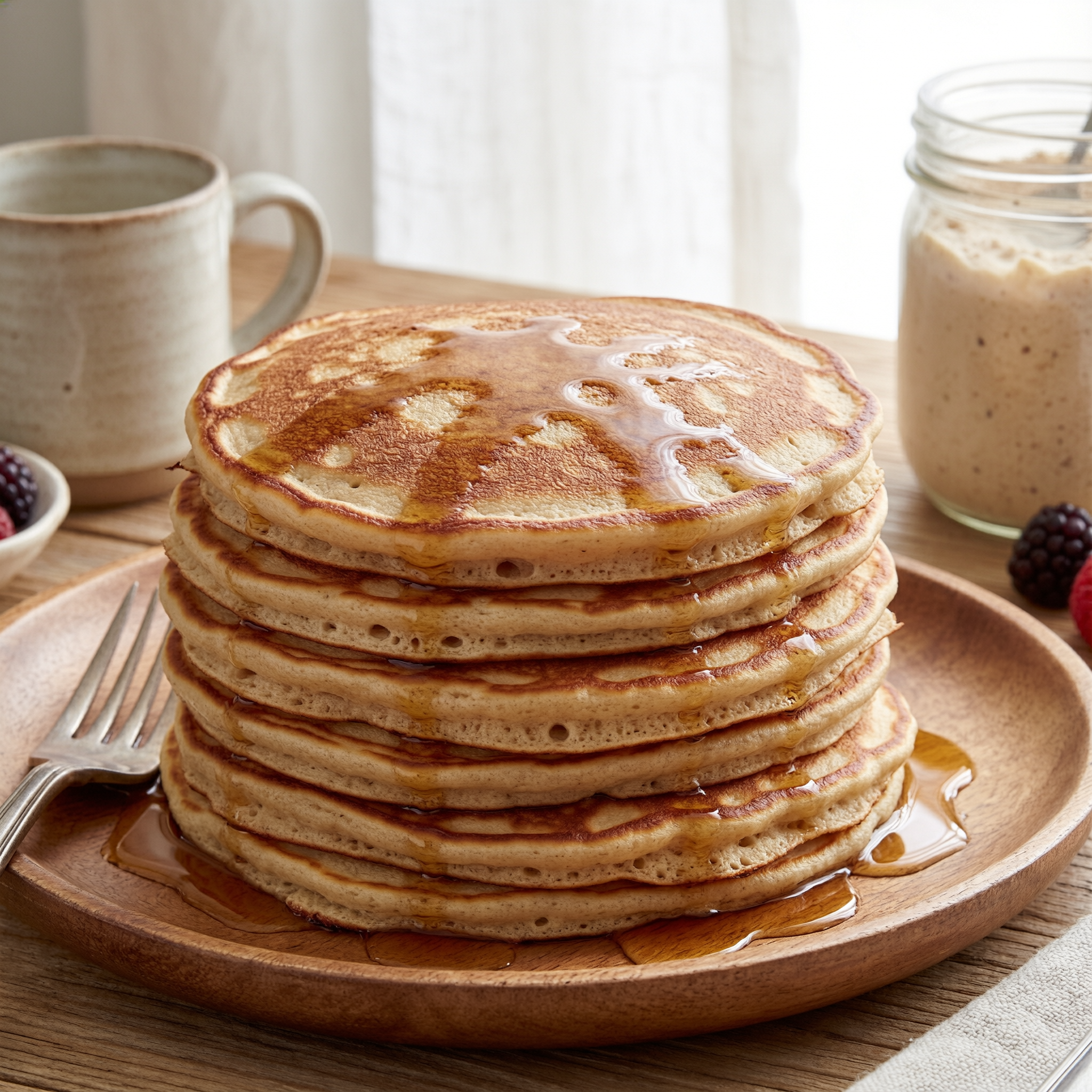
These aren’t your childhood flapjacks. Sourdough pancakes have a delicate tang — like buttermilk crossed with toasted wheat — and a cloud-like crumb that holds syrup without turning soggy. Mix 1 cup discard (fed or unfed — both work), 1 cup all-purpose flour, 1 large egg, 1 cup whole milk, and ¼ tsp salt. Let the batter rest 10 minutes while you heat the griddle. Cook over medium-low heat — they bubble slower than regular pancakes, so wait for those edges to set before flipping. Top with real maple syrup and a pat of cultured butter. This is one of the easiest sourdough recipes to master — and probably the fastest way to convert skeptics.
Sourdough Crackers: The Perfect Snack
Forget bland, brittle store-bought crackers. These are crisp, salty, and layered with nutty depth — the kind you’ll catch yourself eating straight from the sheet pan. Combine 1 cup discard, ½ cup flour (add more if sticky), ¼ cup olive oil, 1 tsp flaky sea salt, and a pinch of cracked black pepper. Roll thin — paper-thin — on parchment, dock with a fork, and bake at 350°F for 14–16 minutes until golden and snapping crisp. Break into shards. Serve with aged cheddar, fig jam, or just a glass of dry cider. They keep for two weeks in an airtight jar — which is great, because you’ll want them around for impromptu cheese boards and midnight cravings.
Sourdough Waffles: Crispy on the Outside, Soft on the Inside
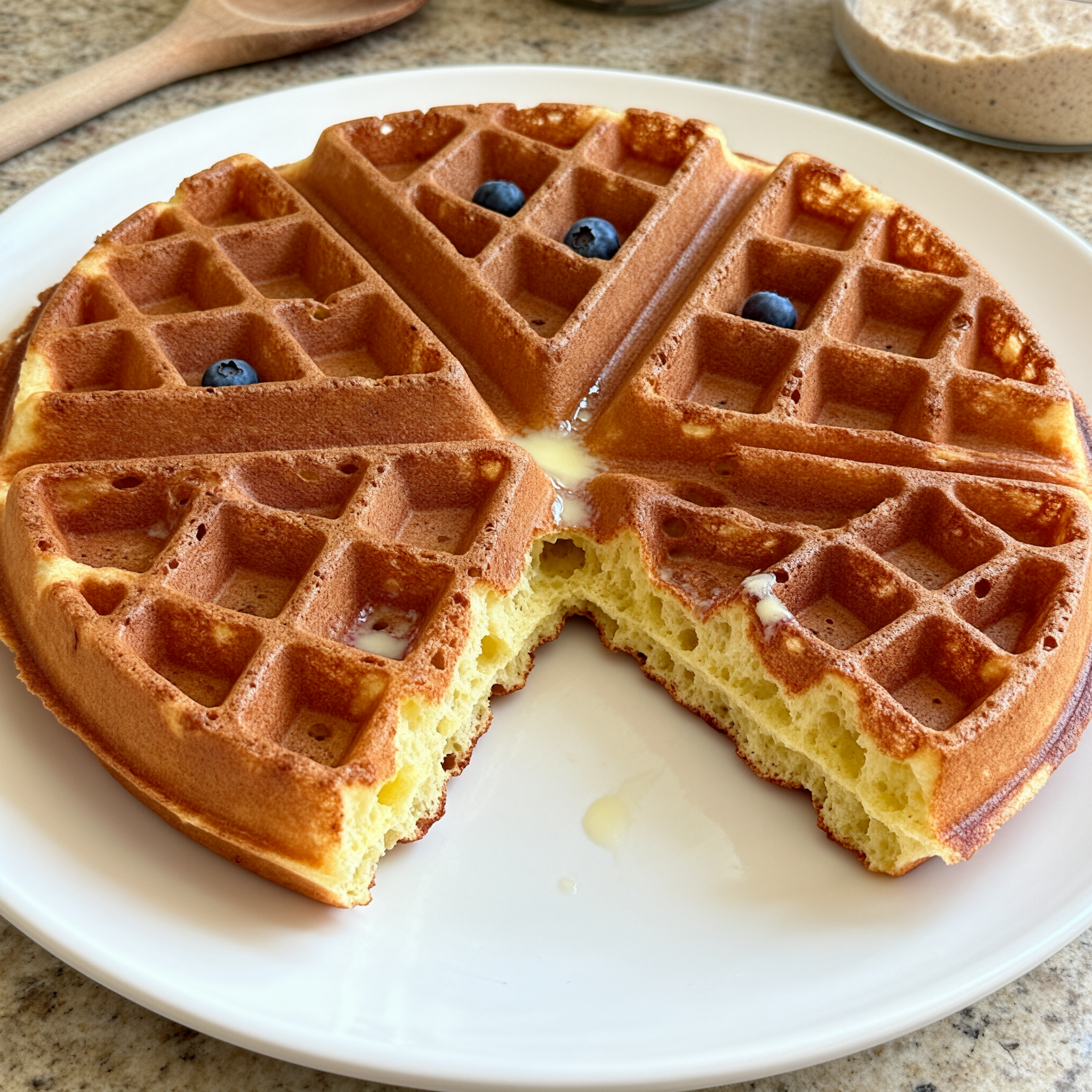
A waffle iron does something magical with discard: it locks in steam while crisping the surface into a shatteringly light lattice. Use the same base as the pancakes — 1 cup discard, 1 cup flour, 1 egg, 1 cup milk, ¼ tsp salt — but add 1 tbsp melted butter and ½ tsp baking powder for extra lift. Pour into a preheated, well-greased waffle iron. Cook until steam stops, then wait 10 seconds more — that’s when the crust sets. Serve hot with roasted strawberries and crème fraîche. These waffles hold up beautifully in the freezer, too: reheat in a toaster for breakfast in under 90 seconds. Zero waste baking never tasted this luxurious.
Sourdough Pizza Dough: A Versatile Base
This isn’t “discard pizza” — it’s real homemade bread, streamlined. You get the chew and complexity of a 48-hour cold ferment, minus the planning. Stir together 1 cup discard, 2 cups flour, ½ cup warm water, 1 tsp fine sea salt, and 1 tsp olive oil. Knead 5 minutes by hand until smooth and supple. Rest covered at room temp for 2–3 hours — just long enough to double. Stretch, top simply (tomato sauce, fresh mozzarella, basil), and bake on a preheated stone at 475°F for 10–12 minutes. The crust is blistered, airy, and deeply savory — proof that easy sourdough recipes don’t mean compromised flavor. Bonus: make two batches and freeze half for next week’s quick dinner.
Sourdough Muffins: Sweet and Savory
Muffins are where sourdough discard shines brightest — because it keeps them moist for days without gumminess. For blueberry muffins: mix 1 cup discard, 1 cup flour, ½ cup sugar, ½ cup buttermilk, ¼ cup melted butter, 1 egg, and 1 tsp baking soda. Fold in 1 cup berries *gently* — don’t overmix. Bake at 375°F for 18–20 minutes. For savory versions: swap sugar for ½ cup sharp cheddar, add 2 tbsp chopped chives and a pinch of garlic powder. These aren’t dense or dry — they’re tender, lightly tangy, and sturdy enough for lunchboxes or hiking trails. Homemade sourdough muffins beat boxed mixes every time — especially when you’re already making bread.

Sourdough Biscuits: Buttery and Light
Traditional biscuits rely on cold fat and minimal handling. Sourdough discard replaces part of the liquid *and* adds acidity — which reacts with baking soda to create extra lift. So you get height *and* tenderness. Whisk 1 cup discard, 2 cups flour, 1 tbsp baking powder, 1 tsp baking soda, and 1 tsp salt. Cut in ½ cup very cold butter until pea-sized. Stir in ½ cup cold buttermilk just until combined. Pat into a 1-inch slab, cut with a floured biscuit cutter, and bake at 425°F for 13–15 minutes. They rise tall, crack open like little crowns, and taste rich without heaviness. Slather with honey butter while still warm — this is comfort food, upgraded.
Sourdough Cinnamon Rolls: A Decadent Treat
Yes, they take longer. But the payoff? A soft, slightly tangy crumb that doesn’t collapse under frosting — and a caramelized edge that tastes like brown sugar and toasted grain. Make the dough the night before: mix 1 cup discard, 2 cups flour, ½ cup warm milk, ¼ cup melted butter, 1 egg, 2 tbsp sugar, and 1 tsp salt. Knead, cover, and refrigerate overnight. Next morning, roll, fill with cinnamon-sugar-butter, slice, and proof 1–2 hours until puffy. Bake at 350°F for 20–22 minutes. Frost with cream cheese icing while warm — the heat helps it melt just right. Worth every minute. Especially if you’re already committed to homemade sourdough.
Sourdough Breadsticks: Crunchy and Addictive
These are the snack you’ll make three times a week once you try them. No yeast. No waiting. Just 1 cup discard, 2 cups flour, ½ cup water, ½ tsp salt, and a generous drizzle of olive oil. Knead 3 minutes, rest 10, then roll into ¼-inch ropes. Twist, coil, or leave straight — your call. Brush with more oil, sprinkle with flaky salt and rosemary, and bake at 400°F for 14–16 minutes until deep gold and hollow-sounding. They’re crisp, salty, and carry that unmistakable sourdough funk — perfect for dipping in marinara, hummus, or even dark chocolate ganache. A true zero waste baking win — and maybe the most addictive thing you’ll bake this month.
Sourdough Focaccia: Simple and Satisfying
Focaccia is the ultimate test of discard’s potential — because there’s nowhere to hide. No sugar. No eggs. Just flour, water, oil, salt, and that one ingredient. Mix 1 cup discard, 2 cups flour, ½ cup water, ¼ cup olive oil, and 1 tsp salt. Knead until elastic, then let rise in an oiled 9×13 pan for 2 hours — or overnight in the fridge for deeper flavor. Press dimples deep into the surface, flood with more olive oil, and sprinkle with coarse salt and fresh thyme. Bake at 425°F for 20–22 minutes until bronzed and blistered. Slice thick. Eat warm. Or tear apart with your hands. This is homemade bread at its most honest — and proof that sourdough discard recipes don’t need to be complicated to feel special.
Common Questions
Can I use sourdough discard in any recipe?
Technically, yes — but not wisely. Substituting discard for part of the liquid in muffins or pancakes? Smart. Swapping it into a delicate cake or custard? Risky. Start with sourdough discard recipes built for it — like the ones above — and treat it like a flavorful, acidic liquid (think: buttermilk or yogurt). Once you understand how it behaves, you’ll know exactly when to add it — and when to leave it out.
How long does sourdough discard last in the fridge?
Up to 7 days — if it’s stored in a clean, covered jar. After day 4, it’ll get sharper and more vinegary (still safe, just stronger). If you won’t use it within a week, freeze it in ½-cup portions. Thaw overnight in the fridge. Frozen discard works just as well in baking — no loss of leavening power, since you’re not relying on it to rise the dough.
What if my sourdough discard smells bad?
A clean, yeasty, slightly sour aroma? Good. A sharp acetone or nail-polish-remover smell? It’s stressed — but not dangerous. Stir in a spoonful of flour and feed it once. A pink, orange, or fuzzy patch? Toss it. Mold or off-colors mean it’s time to start fresh. Healthy discard looks creamy, pale tan, and bubbles gently after feeding — like a quiet, contented kitchen companion.
Final Thoughts
Sourdough discard isn’t a problem to solve. It’s a pantry staple in disguise — one that adds character, moisture, and complexity to everyday baking. You don’t need fancy equipment or advanced skills to get started. Just a bowl, a whisk, and the willingness to stop throwing away flavor. Try one recipe this week — maybe the crackers or the pancakes — and notice how much more *alive* your baking feels. Because zero waste baking isn’t about sacrifice. It’s about getting more — more taste, more texture, more joy — from the same simple ingredients you already have on hand.