
Adventure Tourism 2026: Best Destinations for River Rafting and Canyoneering
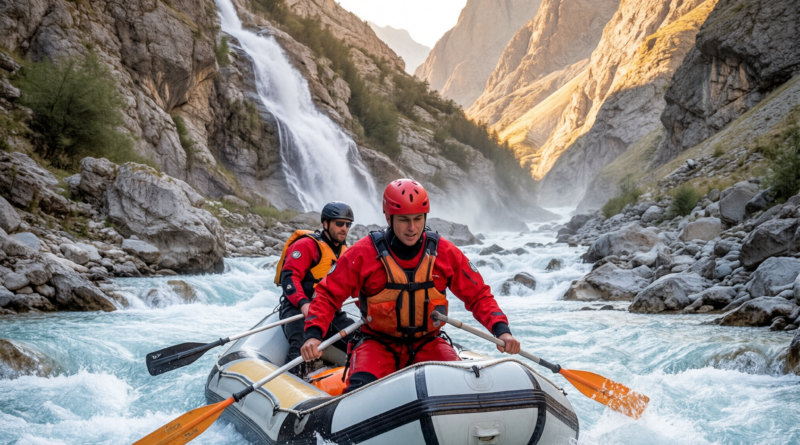
You’ve probably seen the same rafting photo a dozen times: wide grin, spray frozen mid-air, maybe a “WOO!” scrawled across the caption. Real river travel isn’t like that. It’s quieter. Slower. Often colder. And in 2026, it’s finally shifting — away from spectacle and toward substance. Canyoneering trips aren’t just about dropping down a rope. They’re about learning how water carved that slot canyon over 2 million years. River rafting destinations aren’t just Class V thrills — they’re living classrooms on watershed health, Indigenous stewardship, and what happens when tourism actually listens instead of just showing up. This year, the best outdoor vacations don’t shout. They invite you in.
Why 2026 Is the Year to Go Deeper
Here’s what changed this spring: Spain’s Sierra de Guadarrama stopped handing out permits like candy. So did Slovenia’s Soca Valley. Not because they’re closing doors — but because they finally drew a line. Eight people per canyon. No exceptions. That number wasn’t pulled from thin air. It’s the max local ecologists say won’t disturb nesting peregrine falcons or wash away the rare mosses clinging to limestone ledges. You’ll notice the difference right away — no queue for the rappel station, no shouting over someone else’s guide, no trailside litter left by groups too big to stay together. Plus, new flow-monitoring buoys on the Zambezi now ping real-time data every 17 minutes — not “good conditions expected” guesses, but actual water velocity, temperature, and sediment load. Adventure travel 2026 isn’t about chasing bigger drops. It’s about trusting the timing — and the people who know the land better than any app ever could.
Zambezi River, Zambia/Zimbabwe
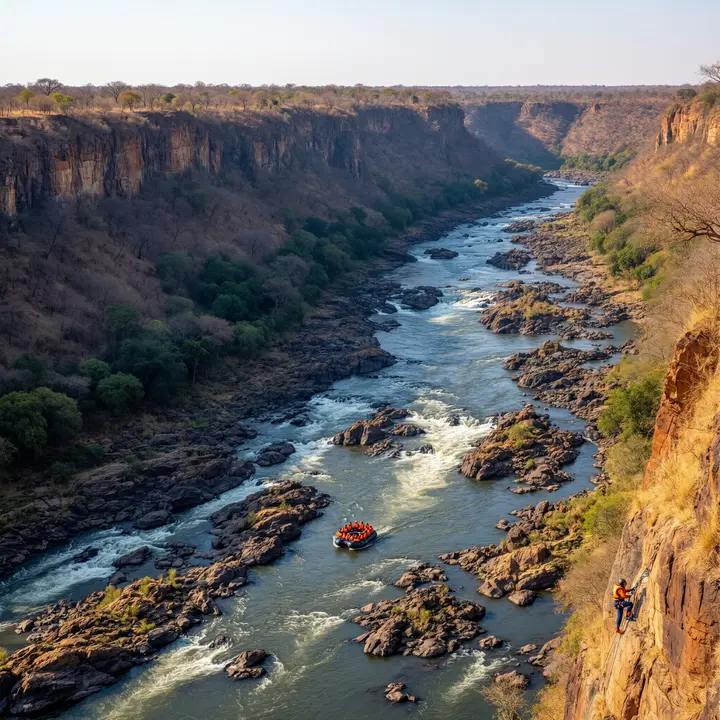
That roar you hear isn’t just noise. It’s Victoria Falls — 1.7 km wide, 108 meters tall, and vibrating through your ribs before you even see it. Rafting *below* the falls is one of those experiences that rewrites your definition of scale. In 2026, though, something quieter matters more: who’s running the trips. For the first time, Zambian and Zimbabwean outfitters jointly manage all downstream access points — no foreign franchises calling the shots. Your $195 river rafting destination fee? It funds seedlings at community-run nurseries along the banks — fig trees with roots deep enough to hold soil during flash floods. You’ll still hit “Oblivion,” a 30-foot drop where the river disappears into mist — but now you’ll also spend a full morning tracking African fish eagles with a guide who grew up watching them nest in those same cliffs. That’s nature travel with weight behind it.
Futaleufú River, Chile
The Futaleufú doesn’t look like a river. It looks like liquid turquoise poured over crushed sapphire. But what makes it different isn’t just color — it’s clarity. Glacial melt mixes with volcanic springs here, holding the water at a steady 12°C year-round. That means no murky surprises. You’ll see every ripple before your raft hits it. Spot trout darting under the hull. Watch rainbows bloom in the spray of “The Terminator” rapid — then vanish as fast as they formed. And yes, you’ll abseil down wet granite walls slick with ferns. But the real shift? Every guest spends 90 minutes with Rapa Nui elders before touching rope or paddle. Not for photos. Not for ceremony. To learn how water is named in oral tradition — how each bend has a story, not just a GPS coordinate. That changes everything. Suddenly, you’re not moving *through* the canyon. You’re moving *with* it. Most canyoneering trips here now end in geodesic domes humming softly on micro-hydro power — proof that adrenaline adventures and low-impact travel aren’t opposites. They’re just two sides of the same current.
Canyoneering in the Sierra de Guadarrama, Spain
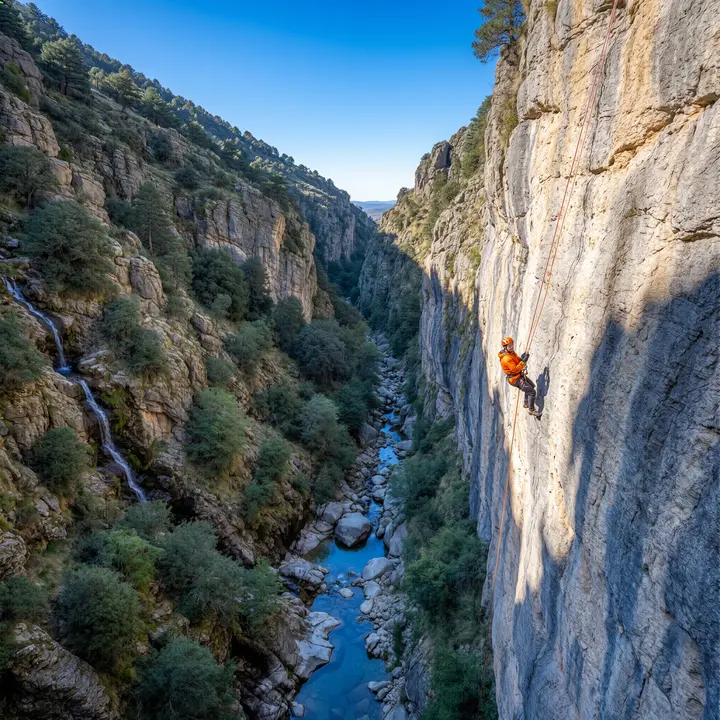
Madrid’s mountains aren’t postcard pretty. They’re raw. Granite, sun-baked and fractured, with gorges so narrow your shoulders brush both walls at once. This is where hiking holidays get real — no switchbacks, no marked trails, just rope work, careful anchor checks, and the constant hum of your own attention. In 2026, EU-funded restoration rerouted foot traffic away from ancient lichen colonies — some older than the Spanish monarchy. Guides now carry handheld pH testers to check canyon pools for early signs of microplastic contamination. You’ll rappel 40 meters into a hidden amphitheater where wild thyme grows in hairline cracks and griffon vultures circle overhead, silent and slow. There’s no Wi-Fi. No luxury tents. Just chalk, carabiners, and the echo of your breath bouncing off rock. This isn’t extreme travel for the sake of bragging rights. It’s active holidays that ask you to show up — fully, quietly, respectfully.
Soca River, Slovenia
The Soca doesn’t just run clear — it *breathes*. Its famous emerald tint comes from glacial flour, sure, but also from millions of tiny freshwater shrimp filtering nutrients and keeping algae in check. That biological pulse means the river shifts with the weather: heavy rain turns it milky green and roaring; dry spells shrink it to ankle-depth, revealing fossil coral beds older than written language. Slovenian outfitters responded with “Flow Seasons” — not fixed itineraries, but adaptive multi-day packages. You might start with gentle Class III rapids in the Upper Soca (perfect if you’re new to river rafting), then shift to marble canyons in the Middle Soca — 70-meter rappels, natural water slides, cold plunge pools shaded by beech trees. End it with flatwater kayaking near WWII bunkers draped in ivy. Eco tourism here isn’t a slogan. It’s built into the schedule — and into the water itself.
Bali’s Ayung Gorge & Jungle Canyons
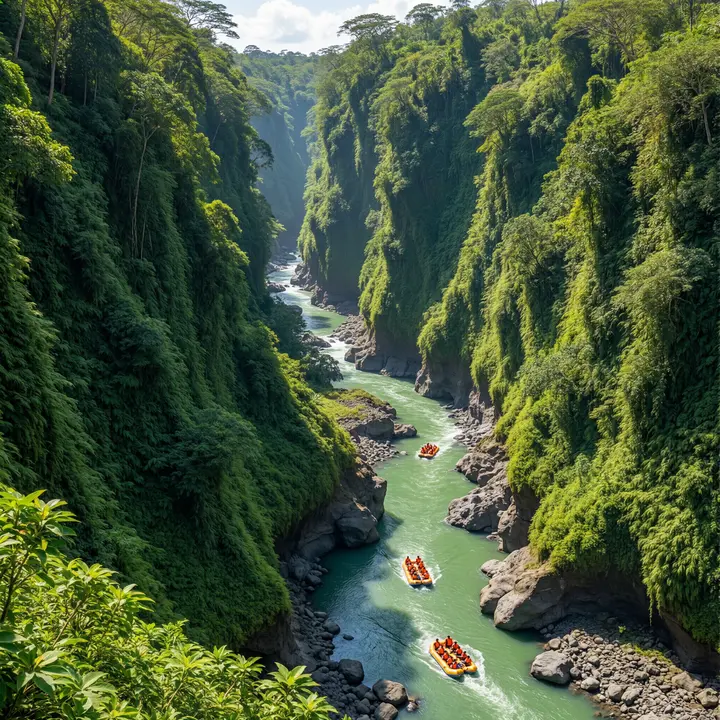
Forget the rice terraces. The real magic hides east of Ubud — down 4×4 tracks maintained by Balinese farmer co-ops, past bamboo groves and clove plantations, into jungle vaults where humidity hangs thick and pitcher plants bloom in waterfall mist. This is where canyoneering trips earn their keep: rappelling past banyan roots centuries old, pausing mid-descent to watch Javan kingfishers dive into turquoise pools, hearing the distant chime of temple bells carried on the wind. In 2026, every certified operator contributes 12% of trip fees to the Bali Biodiversity Trust — funding camera traps that track Javan leopards moving between forest fragments. Groups top out at six. No megaphones. No staged poses. Just ropes, helmets, and the slow, wet rhythm of descending ancient stone. Outdoor vacations don’t have to mean burning through places. Sometimes, they mean slowing down enough to let a place move through *you*.
Common Questions
Do I need prior experience for canyoneering trips in Spain or Slovenia?
Not necessarily — but don’t expect to wing it. Beginner routes in the Sierra de Guadarrama or Lower Soca welcome first-timers, but only after a proper ground-up warmup: knot-tying drills timed to simulate real pressure, weight-transfer practice on low-angle slabs, and live-rock anchor ID (not just bolted anchors). Think of it less like signing up for a hike and more like starting an apprenticeship — one where your safety, and the canyon’s future, depend on getting the basics right. If you’ve never worn a harness, plan for that half-day prep. It’s not filler. It’s the foundation.
Are river rafting destinations in Chile and Zambia safe for solo female travelers?
Yes — if you choose carefully. In Chile, look for ACTA-certified operators (Asociación Chilena de Turismo Aventura). They require female-only guide options and safety briefings that address real-world concerns — not just hypotheticals. In Zambia and Zimbabwe, go with SATSA-affiliated companies (Southern African Tourism Services Association). They audit everything: transport drivers, accommodation locks, emergency radio protocols, even how guides handle boundary-setting. Skip anything promoted solely through glossy Instagram reels. Real safety lives in paperwork, training logs, and the quiet confidence of a guide who’s done this 147 times — not in perfectly lit hero shots.
How do eco tourism commitments actually impact my trip experience?
Directly — and immediately. When your river rafting destination funds native reforestation, you’ll paddle past young fig groves instead of eroded, barren banks. When canyoneering trips fund water testing, you’ll drink straight from canyon pools instead of relying on plastic bottles. When guides are trained in local ecology, they’ll point out how a single fern species signals healthy soil — and why that matters for the frogs, birds, and insects downstream. Eco tourism isn’t a tax on fun. It’s what keeps the fun from turning hollow — and ensures the next traveler gets the same raw, real, breathtaking version of this place that you did.
Final Thoughts
Your travel bucket list shouldn’t read like a checklist. “Raft Zambezi.” “Rappel in Spain.” “Hike Slovenia.” Those are verbs without subjects. Who’s doing the rafting? With whom? What do they know that you don’t? In 2026, the most memorable adventure travel isn’t about crossing things off — it’s about leaning in. Book the trip where your guide knows your name *and* the Latin name of the moss growing on the cliff face. That’s where outdoor vacations stop being escapes — and start becoming conversations.