

GLP-1 Medications Explained: What You Should Know Before Trying Them
- 1. Introduction
- 2. What Are GLP-1 Medications?
- 3. How Do GLP-1 Medications Work?
- 4. Common GLP-1 Medications and Their Uses
- 5. Weight Loss Medication: Is It Right for You?
- 6. Diabetes Drugs and Obesity Treatment: The Connection
- 7. Ozempic Alternatives: What Else Is Available?
- 8. Health Guide: Understanding the Risks and Benefits
- 9. Side Effects of GLP-1 Medications
- 10. Medical Advice: When to Consult a Doctor
- 11. Final Thoughts
Let’s cut through the hype. GLP-1 medications aren’t some futuristic miracle cure—they’re science-backed tools that work with your body to manage blood sugar and curb hunger. But here’s the catch: they’re not a shortcut. These drugs require dedication, lifestyle adjustments, and regular check-ins with your doctor. If you’re thinking about trying them, it’s time to get real about what they can—and can’t—do.
What Are GLP-1 Medications?
GLP-1 stands for glucagon-like peptide-1, a natural hormone produced in your gut after eating. This little powerhouse helps regulate blood sugar and signals to your brain when you’re full. GLP-1 meds mimic this process, tricking your body into feeling satisfied longer while keeping blood glucose levels in check. Originally developed for people with type 2 diabetes, these drugs have gained traction as weight loss solutions too.
Here’s the deal: they’re not magic pills. To see results, you need to combine them with smart food choices and regular physical activity. And let’s be honest, they come with risks, so always run things by your healthcare provider before jumping in.
How Do GLP-1 Medications Work?
The mechanics behind GLP-1 meds might sound straightforward, but there’s more going on than meets the eye. They slow digestion, which keeps you from feeling ravenous between meals. At the same time, they tell your brain to turn off hunger cues faster, making overeating less likely. Plus, they help stabilize blood sugar by delaying how quickly food leaves your stomach.
This triple threat makes them effective for both diabetes control and weight management. That said, individual results vary widely. Some folks lose significant pounds or better manage their blood sugar, while others notice only modest changes. Realistic expectations are key here.

Common GLP-1 Medications and Their Uses
Semaglutide leads the pack when it comes to popular GLP-1 options. You may know it under brand names like Ozempic for diabetes or Wegovy for weight loss. Other players include liraglutide (Saxenda), dulaglutide (Trulicity), and tirzepatide (Mounjaro). Each has its own quirks, from dosing frequency to side effect profiles.
Most GLP-1 meds are injectables, either once daily or weekly, though oral versions exist too. Keep in mind, consistency is crucial—missing doses or tweaking the regimen without consulting your doctor could backfire big time.
Weight Loss Medication: Is It Right for You?
Curious if GLP-1 meds could help you shed those stubborn extra pounds? Research suggests users can drop up to 15% of their body weight within a year—a pretty impressive number compared to most diet plans. Yet, it’s not a one-size-fits-all solution.
Take stock of your overall health, current prescriptions, and daily habits before deciding. For many, the pros outweigh the cons, but cost and potential side effects might make it less appealing. Your best bet? Chat with a trusted medical professional who knows your history inside and out.
Diabetes Drugs and Obesity Treatment: The Connection
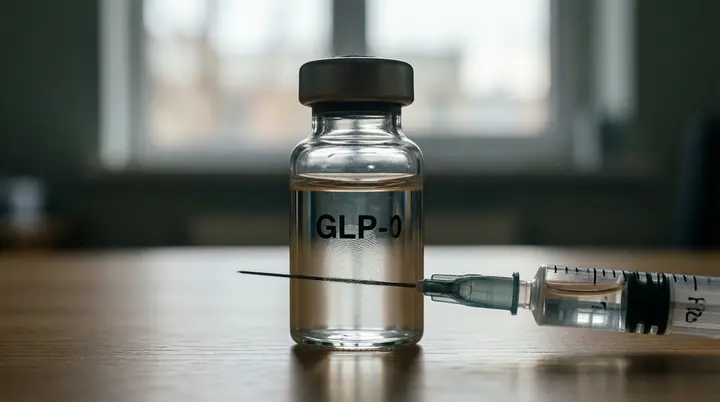
It’s no secret that diabetes meds and obesity treatment often overlap, especially where GLP-1 drugs are concerned. Initially crafted to tackle high blood sugar, these medications turned out to be surprisingly effective at trimming waistlines too. This dual purpose has sparked growing interest in using them for weight issues even in non-diabetic patients.
That being said, managing diabetes and tackling obesity aren’t exactly identical missions. While the same drug might serve both purposes, the strategies and monitoring differ depending on your unique situation. Your doctor will guide you based on what fits your needs best.
Ozempic Alternatives: What Else Is Available?
Ozempic gets all the attention, but plenty of other GLP-1 options deserve consideration. Think Wegovy, Saxenda, Trulicity, or Mounjaro. Each brings something different to the table, whether it’s convenience, potency, or price tag.
Some prefer weekly shots over daily ones, while others opt for easier-to-swallow oral forms—even if they’re slightly weaker. Side effects vary too, so don’t hesitate to weigh all your choices with your physician. Remember, just because something works wonders for someone else doesn’t mean it’s perfect for you.
Health Guide: Understanding the Risks and Benefits
Before signing up for GLP-1 meds, take a moment to weigh the pluses and minuses. On the upside, they can lead to meaningful weight loss, better blood sugar control, and reduced cardiovascular risks. On the downside, they carry potential downsides like digestive discomfort, nausea, and rare cases of more severe complications.
Your personal health profile matters here. Conditions like pancreatitis or thyroid issues might rule out certain GLP-1 options entirely. A thorough evaluation beforehand ensures you start safely and stay on track.
Side Effects of GLP-1 Medications
No medication comes without side effects, and GLP-1 drugs are no exception. Expect some tummy troubles early on—nausea, vomiting, diarrhea, or constipation are common as your system adjusts. Luckily, these tend to ease up after a few weeks, though they can still feel rough while they last.
Rarer but more serious concerns include pancreatitis, gallbladder trouble, or dangerously low blood sugar if combined with other diabetes treatments. If you notice sharp pain, yellowing skin, or extreme exhaustion, seek care right away. Never brush off persistent symptoms.
Medical Advice: When to Consult a Doctor
If you’re curious about GLP-1 meds, step one is talking to your doctor. They’ll review your medical background, assess any existing conditions, and decide if these drugs align with your goals. Don’t go it alone—these powerful meds demand expert supervision.
Once you start, stick to scheduled follow-ups and dosage adjustments as needed. Quitting cold turkey or skipping visits can lead to rebound weight gain or other unwanted outcomes. Always loop in your healthcare team for guidance along the way.
Final Thoughts
GLP-1 medications hold promise, but they demand effort, vigilance, and collaboration with your healthcare providers. Whether you’re aiming for weight loss, diabetes management, or both, understanding their ins and outs is critical. Know what to anticipate, recognize signs of trouble, and lean on professionals whenever necessary.
What are the common side effects of GLP-1 medications?
Many people experience mild side effects like nausea, vomiting, loose stools, or constipation when starting GLP-1 meds. These usually fade as your body adapts, though they can linger temporarily. In rare instances, more serious issues like pancreas inflammation or gallbladder problems arise, so report anything unusual promptly to your doctor.
Are there alternatives to Ozempic for weight loss?
Absolutely. Besides Ozempic, options like Wegovy, Saxenda, Trulicity, and Mounjaro offer similar benefits for shedding pounds. Each varies in how often you need to dose, possible side effects, and how well they fit into your routine. Discuss all available choices with your healthcare provider to find the ideal match for your circumstances.
When should I see a doctor before starting GLP-1 medication?
Always visit a doctor first to review your full medical picture, including past illnesses, current meds, and any allergies. A doctor evaluates whether GLP-1 meds suit your specific needs and monitors your progress closely throughout treatment. Skipping this step could put your health at risk, so never start without professional input.