

Nostalgic Baking Recipes Getting a Healthy Modern Makeover
That first bite of your mom’s oatmeal raisin cookies — the ones she baked on rainy Sundays while you sat at the kitchen table doing homework — still lives in your muscle memory. You don’t just taste cinnamon and oats. You taste safety. Belonging. A version of time that felt slower, kinder. But now? You glance at the label on the brown sugar jar and wonder: *How many of these “comfort food” moments are quietly costing me energy, sleep, or clarity?* The answer isn’t to stop baking. It’s to bake smarter — not as a compromise, but as an upgrade.
Rediscovering Nostalgia
You know that exact second when the oven timer dings and the scent of warm vanilla and toasted nuts fills the whole house? Your shoulders drop. Your breath slows. That’s not just aroma — it’s emotional archaeology. We’re digging up feelings we didn’t realize we’d buried: the sound of your grandma humming off-key while rolling pie crust, the way your dad always licked the spoon before handing it to you, the sticky fingerprints on the recipe card written in faded blue ink. Nostalgic baking isn’t about replicating the past. It’s about honoring its feeling — then building something real for *right now*. Something that fuels you instead of fogging you over.
Why the Classics Need a Rethink
Let’s be honest: most retro recipes were written for a different world. One where people walked three miles to school, worked physical jobs, and didn’t stare at screens for eight hours straight. Those old-school chocolate cake recipes? Often call for nearly a cup of sugar — plus butter, white flour, and sometimes even shortening. Not because they were trying to sabotage us, but because flavor and shelf stability were the only metrics that mattered. Today? We need more. We want rich flavor *and* steady blood sugar. Crumbly tenderness *and* clean energy. Comfort *without* the crash. That’s why healthy baking isn’t about deprivation — it’s about recalibrating what “classic” even means.
Healthy Swaps That Work
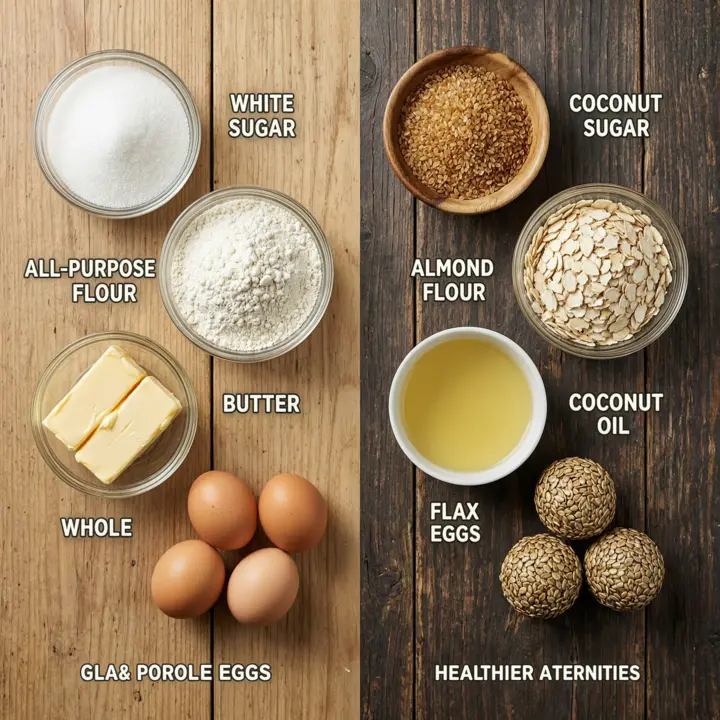
I’ve ruined more than a few batches trying to “healthify” my favorite desserts. (RIP, the avocado-chocolate cake that tasted like grass clippings.) The truth is, not every swap holds up — and some flat-out lie to you. Here’s what actually delivers, based on years of testing in my own kitchen:
- Butter: Applesauce works best in muffins and quick breads — it keeps them moist without weighing them down. Mashed banana adds sweetness and density (great for banana bread, less ideal for delicate shortbread). Avocado? Only if you’re making dark chocolate brownies — its earthiness disappears there, and the fat structure mimics butter surprisingly well.
- Sugar: Honey and maple syrup add depth, yes — but they’re still sugar. So use them *sparingly*, and reduce other liquids by 2–3 tablespoons per ½ cup used. Stevia’s fine for small-batch things like frosting, but skip it in cakes — it can leave a bitter aftertaste unless you blend it with a bit of erythritol.
- Flour: Whole wheat pastry flour is my quiet hero. It’s lighter than regular whole wheat but still packed with fiber and B vitamins. Almond flour shines in cookies and bars — just remember it browns faster, so lower your oven temp by 25°F. Coconut flour? Use it like glitter: a pinch goes a long way. It soaks up liquid like a sponge, so never substitute it 1:1.
- Eggs: Flax eggs hold up beautifully in dense bakes (zucchini bread, oatmeal cookies), but they won’t give you the lift you need in angel food cake. Chia eggs work similarly — though I find they make things slightly gummier. For lightness, try aquafaba (the liquid from a can of chickpeas). Whip it like egg whites, and you’ll get real volume — no one will guess it’s not eggs.
Start with one swap per recipe. Master that. Then layer in another. Baking is chemistry — and respect for the reaction is how you avoid sad, crumbly disasters.
Baking with Less Sugar
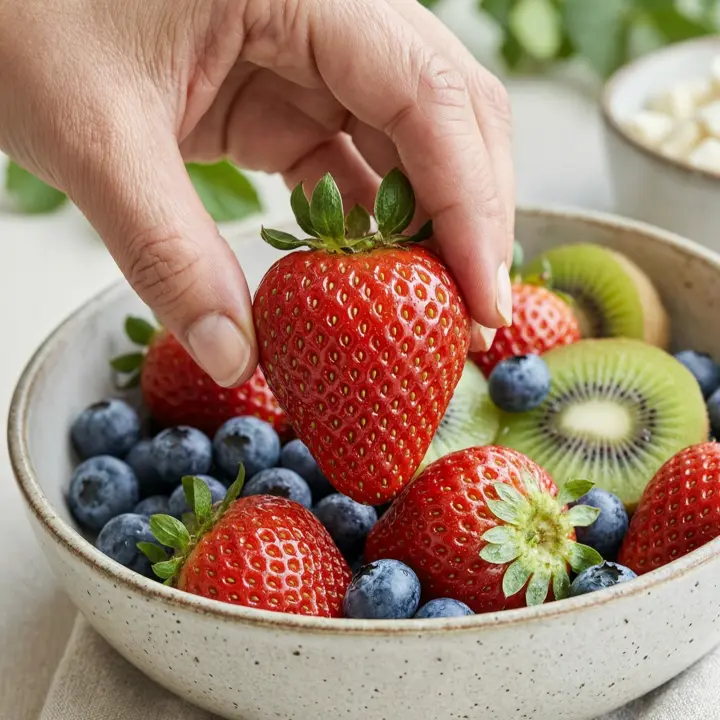
Here’s what nobody tells you: sugar isn’t just sweetener. It’s tenderizer, browning agent, and moisture retainer. Cut it all at once, and your cookies turn into cardboard. But cut *just enough* — and everything changes. Try this: slash the granulated sugar by ⅓, then boost flavor with unsweetened cocoa powder (more intense chocolate), toasted nuts (natural richness), or a splash of orange zest (brightens everything). You’ll taste the difference — not in missing sweetness, but in *clearer* flavor. And if you’re baking for kids? Swap half the sugar for mashed ripe pears. They add subtle sweetness, moisture, and zero added sugar — plus a gentle fiber boost that helps stabilize energy. It’s low sugar desserts done right: not stripped bare, but thoughtfully layered.
Retro Recipes, Modern Twists
These aren’t “diet versions.” They’re upgrades — same soul, sharper focus. I’ve made each of these at least six times (some more — looking at you, pumpkin muffins). They hold up. They satisfy. And yes, they still spark that little jolt of recognition — like hearing a song you loved at 12, remastered in full stereo.
- Classic Chocolate Chip Cookies: Swap half the butter for coconut oil, use dark chocolate chips with 70%+ cacao, and stir in a tablespoon of blackstrap molasses. It adds mineral-rich depth — and makes the edges crisp in the best possible way.
- Banana Bread: Skip the brown sugar entirely. Ripe bananas + 2 tbsp maple syrup + ¼ tsp ground cloves = all the warmth you need. Fold in chopped walnuts *and* a handful of rolled oats for texture that stays tender, not gummy.
- Apple Pie: Make the crust with whole wheat pastry flour and cold coconut oil. For the filling? Toss apples with lemon juice, cinnamon, a pinch of cardamom (trust me), and just 3 tbsp of maple syrup. The apples release their own juice — you don’t need a flood of added sweetener to get that glossy, sticky filling.
- Pumpkin Spice Muffins: Use canned pumpkin (not pie filling), Greek yogurt instead of sour cream, and a blend of spelt and almond flour. Top each muffin with a single roasted pecan — not for crunch, but for that tiny, luxurious punctuation mark of fat and flavor.
These are nostalgic recipes, yes — but they’re also homemade treats that feel *earned*, not indulgent. Like comfort food with a backbone.
Common Questions
How do I make my favorite recipes healthier?
Start where the recipe feels most overwhelming — usually sugar or fat — and dial it back by 25%. Then ask: *What’s adding flavor here besides sweetness?* Cinnamon? Vanilla? Toasted nuts? Double down on those. Replace one ingredient at a time, keep notes, and don’t expect perfection on round one. Healthy baking is iterative, not instructional.
What are some good substitutes for sugar in baking?
Real talk: honey and maple syrup aren’t “health foods,” but they *do* bring complexity white sugar lacks — especially in spice-forward bakes like gingerbread or pumpkin muffins. For lower-glycemic options, try date paste (blend soaked Medjool dates with water) or monk fruit blends (they mimic sugar’s weight and dissolve cleanly). And never underestimate unsweetened applesauce — it’s not a sugar replacer, but it lets you cut sugar *and* add moisture without dryness.
Can I still enjoy classic desserts while watching my health?
Yes — but not by treating them like “cheat meals.” Treat them like *intentional rituals*. Bake mindfully. Share generously. Savor slowly. A slice of apple pie made with whole grain crust and real cinnamon isn’t “less than” the original — it’s more connected, more grounded, more *yours*. That’s how nostalgic baking becomes lifelong baking.
Final Thoughts
My grandmother’s handwritten recipe box still lives in my pantry. Some cards are stained with decades of butter and vanilla. Others have notes scribbled in the margins: “Too sweet — cut sugar next time.” She was already rethinking it. We just have better tools, more science, and a deeper understanding of what our bodies truly need. So go ahead — pull out that retro recipe. Light the oven. Add your own handwriting to the margin. Because healthy desserts aren’t about erasing the past. They’re about carrying it forward — richer, clearer, and fully yours.