

Cycle Syncing Workouts: How to Train Around Your Hormones
- The Myth of ‘Just Push Through’
- Follicular Phase: When Energy Rises (Days 1–14)
- Ovulatory Phase: Peak Power Window (Days 14–16)
- Luteal Phase: Strength + Sensitivity Shift (Days 17–28)
- Menstrual Phase: Not ‘Rest’ — Reset (Days 1–5)
- Common Questions
- Final Thoughts
Most workout plans for women are just men’s routines with pastel fonts and a side of “glow up” affirmations. Same sets. Same rest times. Same expectation that your energy, recovery, and motivation stay flatlined across 28 days — like you’re running on battery power instead of hormones. No wonder so many people stall out at the same deadlift weight, feel wiped by Wednesday in Week 3, or dread stepping into the gym the week before their period. It’s not low willpower. It’s mismatched biology.
Cycle syncing workouts isn’t about going easier. It’s about reading your body’s actual signals — not the calendar’s — and adjusting your fitness routine accordingly. Estrogen peaks around ovulation and literally turns up protein synthesis in your muscles. That means yes, you *can* lift heavier and bounce back faster then — and no, it’s not “just in your head.” Later, progesterone rises and nudges your core temperature up, slows digestion, and makes glycogen harder to access. So that HIIT session that felt crisp on Day 12? On Day 22, it hits like a freight train — not because you’re weaker, but because your fuel system changed. Fighting that doesn’t make you tough. It makes your progress slower, your recovery messier, and your motivation quieter.
The Myth of ‘Just Push Through’
“Just push through” is the most dangerous phrase in women’s fitness — and it’s everywhere. In studio classes where instructors shout “dig deeper!” while your legs scream for mercy. In Instagram posts that glorify grinding through fatigue like it’s a badge of honor. Even in so-called “women’s workout plans” that swap barbells for rose-gold dumbbells but keep every other variable identical.
Here’s what nobody says out loud: pushing through low-estrogen exhaustion or high-progesterone inflammation doesn’t build grit — it builds resentment, missed periods, or injuries that hide behind vague labels like “tight calves” or “always sore lower back.” I’ve seen clients come in after six months of “consistent effort” with zero strength gains, chronic fatigue, and zero idea why. The answer wasn’t more reps. It was timing.
Cycle syncing workouts flips the whole script. Instead of forcing your body into a rigid schedule, you let your menstrual cycle guide your effort, volume, and recovery focus. Think of it like driving a manual car: you wouldn’t floor it in third gear up a steep hill — and you shouldn’t max out your deadlift on Day 26 when cortisol is elevated and your glycogen stores are running on fumes. Hormone based workouts aren’t watered-down versions of “real” training. They’re precision-tuned. And over time? Women who sync consistently report deeper sleep, fewer PMS crashes, and real strength gains — not just holding steady.
Follicular Phase: When Energy Rises (Days 1–14)
This phase kicks off the first day of your bleed and runs through ovulation. Estrogen climbs steadily — lifting mood, sharpening focus, and quietly dialing up pain tolerance. Insulin sensitivity improves too, so carbs actually *work* for you instead of against you. This is your metabolic sweet spot — and it’s why so many people feel unstoppable between Days 7 and 14.
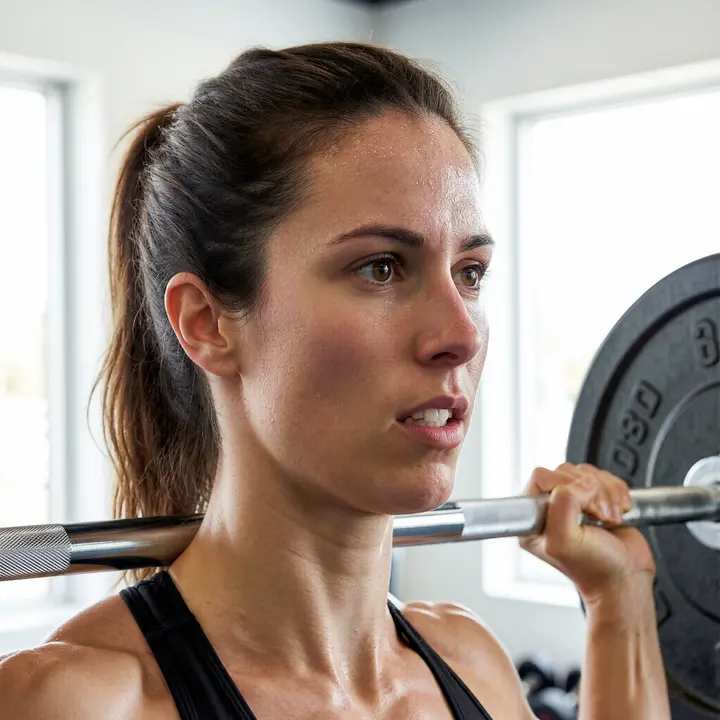
Strength training thrives here. You’ll notice sharper grip, snappier rep speed, and quicker recovery between sets. If you’ve been stuck at the same squat weight for months, try adding 2.5–5 lbs during this window — not as a rule, but as an experiment. Your body will tell you if it’s ready. You’ll feel it in your joints, your breath, your confidence.
Cardio? Go longer, not harder. Steady-state efforts — think 45-minute incline walks, moderate cycling, or easy rowing at 65–75% of your max heart rate — build aerobic capacity without draining your nervous system. Save the all-out sprints unless you’re prepping for something specific. Your nervous system is primed, but your endurance hasn’t peaked yet.
What most guides skip: this is also your brain’s best window for learning new movement patterns — kettlebell cleans, pistol squat progressions, even complex gymnastics drills. Neural adaptation is heightened, so your motor cortex absorbs new skills faster. Don’t waste it on rote repetition.
Ovulatory Phase: Peak Power Window (Days 14–16)
Estrogen hits its highest point — often spiking 24–48 hours before ovulation. Testosterone rises too (yes, women produce it — and it matters for power output). This is your true prime time: maximal strength, fastest reaction time, highest pain threshold. Your muscles fire more efficiently, coordination tightens, and recovery between sets shrinks.
This is when you test a 1-rep max, chase a pull-up PR, or go hard on a timed EMOM. One focused session here delivers more than three scattered ones later in the cycle. But don’t mistake efficiency for invincibility — this window lasts just 2–3 days. Use it deliberately.

Don’t spend it on gentle yoga or mobility work — save those for when your energy dips. Save your hardest strength sessions, sprint intervals, or sport-specific drills for these days. And if your period starts mid-week and ovulation lands on Friday? Track actual signs — cervical mucus, basal body temperature, LH surge — not just the calendar. Your body doesn’t run on averages.
Luteal Phase: Strength + Sensitivity Shift (Days 17–28)
After ovulation, progesterone takes the wheel — and everything shifts. Core temperature rises ~0.5°F, insulin resistance creeps up slightly, and serotonin metabolism changes (hello, mood swings). Glycogen burns faster during exercise, and perceived exertion climbs — a 7/10 effort *feels* like a 9/10. Your body isn’t failing. It’s recalibrating.
This isn’t a “weak” phase. It’s a *different* one. Strength training still works — but shift your focus from load to control. Slow down the eccentric (try 4-second lowers on squats), deepen mind-muscle connection, and prioritize stability work over sheer weight. Reduce volume by ~20% — drop one set per exercise or cut sessions short by 10 minutes. Recovery isn’t optional here. It’s mandatory.
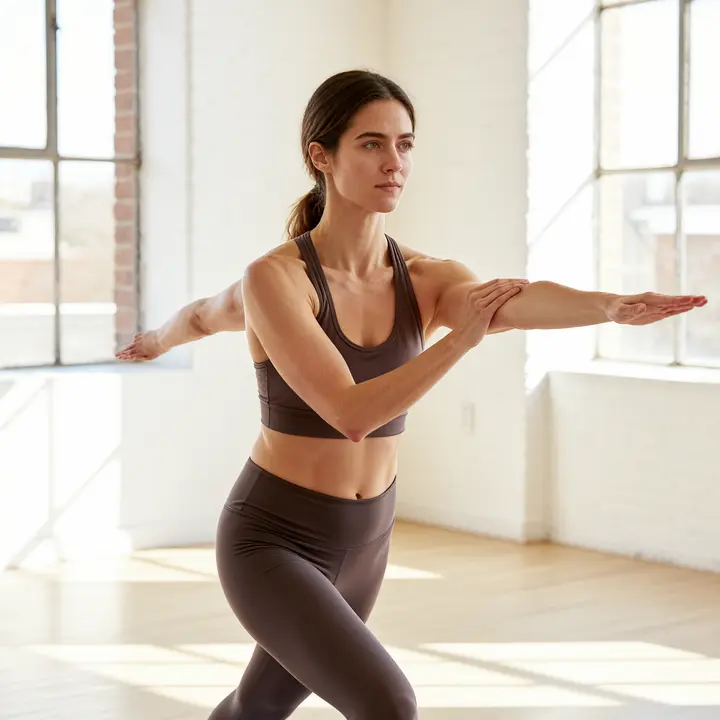
Cardio? Stick to moderate, rhythmic efforts: incline walking, elliptical, swimming, or steady cycling. Avoid fasted cardio — blood sugar dips more easily now. And if you suddenly crave carbs before or after workouts? Listen. That’s not weakness — it’s your body asking for glucose to offset progesterone’s metabolic effect.
Exercise recovery becomes non-negotiable. Prioritize sleep (even 20 extra minutes helps), add magnesium glycinate at night, and swap aggressive stretching *after* workouts for foam rolling *before*. Your connective tissue is more elastic right now — which means overstretching can actually destabilize joints, not improve flexibility.
Menstrual Phase: Not ‘Rest’ — Reset (Days 1–5)
This isn’t “the week you check out.” It’s the week your body clears old cells, resets hormone receptors, and dials down systemic inflammation — *if* you support it. Cramps, fatigue, and brain fog aren’t reasons to stop moving. They’re cues to move *differently*.
Gentle movement — brisk walking, restorative yoga, light swimming — boosts circulation, eases cramps, and lifts cortisol naturally. A 20-minute walk outside raises endorphins more effectively than a 45-minute spin class you drag yourself through on autopilot.
Strength training? Keep it light and rhythmic: banded glute bridges, goblet squats with slow eccentrics, or bodyweight rows. Focus on breath coordination — inhale on the lengthen, exhale on the effort. This phase is where female wellness meets nervous system health — and where consistency builds long-term resilience.
Skip heavy lifting, high-impact jumps, or anything that spikes intra-abdominal pressure (like sit-ups or heavy overhead presses) if you’re bloated or cramping. Your pelvic floor is more sensitive right now — and ignoring that doesn’t just cause short-term discomfort. Over time, it raises risk for leakage or prolapse. Not worth it.
A note on tracking: if you’re on hormonal birth control, your natural cycle is suppressed — so strict cycle syncing workouts won’t apply the same way. Focus instead on energy patterns across your pack, and prioritize exercise recovery and hormonal health markers (sleep quality, skin clarity, digestion) over rigid phase alignment.
Common Questions
Do I need a period to benefit from cycle syncing workouts?
No — but you do need hormonal awareness. If you’re postpartum, perimenopausal, or have PCOS, your cycle may be irregular or absent, but your hormones still shift daily and monthly. Track energy, hunger, sleep, and mood instead of just bleed dates. That data reveals your personal rhythm — and forms the basis of a truly individualized workout plan for women.
Can I still do strength training during my luteal phase?
Absolutely — and you should. But adjust volume, not just intensity. Drop from 4 sets to 3, reduce reps by 2–3, or slow the tempo. Strength training supports metabolic health and mood regulation during this phase — it’s just about respecting how progesterone changes fuel use and neural drive.
What if my cycle is longer or shorter than 28 days?
Then your phases shift — and that’s normal. A 35-day cycle might mean a longer follicular phase (up to Day 21), while a 23-day cycle compresses the luteal phase. Track ovulation (via LH strips or basal temp) to anchor your phases — not the calendar. Your body doesn’t care about averages; it cares about your pattern.
Final Thoughts
Cycle syncing workouts isn’t about perfection — it’s about paying attention. Start with one phase. Notice how your energy shifts. Adjust one variable: maybe you lift heavier on Day 12, or swap HIIT for walking on Day 24. Small, consistent alignment compounds faster than any “perfect” plan you ignore. This isn’t another thing to get right. It’s permission to trust your body — and finally build a fitness routine that works *with* you, not against you.