
EV Revolution: Are Electric Vehicles Finally Worth It in 2026?
1. Introduction
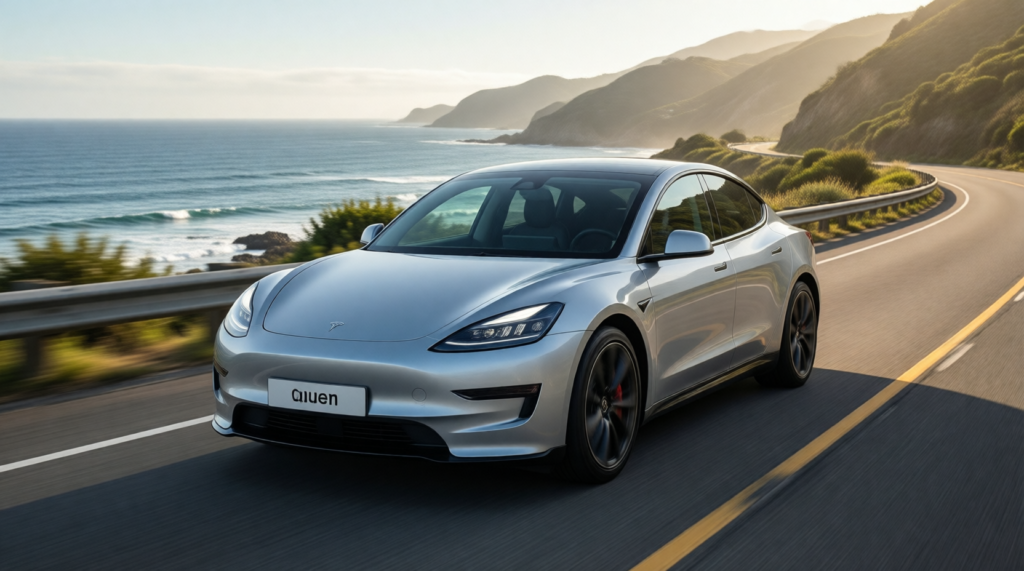
Let’s cut straight to it: electric vehicles (EVs) aren’t just a passing trend—they’re here to stay. From city streets to highways, these green cars are becoming more than just an eco-friendly option; they’re shaping the future of sustainable transport. But if you’re thinking about joining the EV revolution, there’s more to consider than just how cool that Tesla Model 3 looks on the road. This guide dives deep into what buying an EV really means in 2026—costs, tech, infrastructure, and everything in between.
2. The Cost of Entry: What You Pay for an EV in 2026
If you’ve been keeping tabs on automotive trends, you know that EV prices have dropped significantly over the years. But don’t let sticker shock fool you—there’s still plenty to unpack when it comes to budgeting for one of these babies. On average, expect to spend anywhere from $35,000 to $60,000 depending on the make and model. That said, some entry-level options are creeping closer to the $30,000 mark as manufacturers compete to offer more affordable choices.
Here’s the kicker: while upfront costs might seem steep compared to gas-guzzlers, long-term savings can add up fast. Maintenance is usually cheaper because there are fewer moving parts under the hood, and electricity is generally less expensive than gasoline. Plus, tax incentives and rebates could knock thousands off your total bill. Still, before signing on the dotted line, crunch those numbers carefully—because not all deals are created equal.
3. Battery Tech: The Real Game-Changer
When people talk about electric vehicles, battery technology is where the rubber meets the road—or rather, where the electrons meet the motor. Modern batteries have come a long way since their early days. Lithium-ion remains king, but advancements like solid-state designs promise even better performance down the line.
Think about it this way: back in 2010, most EVs struggled to hit 100 miles on a single charge. Fast-forward to today, and many models now boast ranges exceeding 300 miles without breaking a sweat. Charging times? They’ve improved too. Some newer systems can juice up to 80% capacity in as little as 20 minutes. Sure, we’re not quite at instant refueling yet, but progress has been nothing short of remarkable.
And here’s something else worth noting—if you care about sustainability, recycling programs for old batteries are starting to gain traction. This closes the loop on materials usage, making EVs greener overall. Not bad for tech that was once considered cutting-edge.
4. Charging Infrastructure: How Far Has It Come?
You’ve probably heard horror stories about drivers stranded with dead batteries because charging stations were few and far between. Thankfully, those days are mostly behind us—at least in urban areas. Cities across the globe have invested heavily in expanding their networks of public charging points. In fact, places like California or Norway practically brim with them.
But what about rural zones? Well, that’s another story altogether. While cities may be well-covered, smaller towns and remote regions still lag behind. If you live out in the sticks, planning ahead becomes crucial. Keep track of nearby stations using apps designed specifically for this purpose—and always carry a portable charger just in case.
One interesting twist? Home charging setups are becoming increasingly popular. For around $1,000 to $2,000 installed, you can set yourself up with a Level 2 charger capable of recharging overnight. No need to fight crowds at busy hubs when convenience comes right to your driveway.
5. The Hidden Costs: What Most Buyers Miss
Alright, so maybe you’ve done your homework and picked out the perfect EV within your price range. Great! Now here’s the part nobody likes talking about: hidden costs. These sneaky expenses can creep up on even the savviest shopper if you’re not careful.
First off, insurance tends to run higher for EVs due to repair complexities and replacement part costs. Then there’s tire wear—it turns out heavier batteries mean faster tread degradation. And let’s not forget winter performance issues; cold weather saps battery life quicker than you’d think, which might leave you scrambling for solutions during frosty months.
Oh, and did I mention home upgrades? Depending on your electrical setup, installing a dedicated charging station could require rewiring or upgrading your breaker panel. Suddenly, that “cheap” home charger doesn’t feel so economical anymore.
6. Common Questions
How much does it cost to charge an EV at home?
It depends on your local electricity rates, but most people find they pay between $5 and $15 per week to keep their car fully charged. Compare that to filling up a gas tank every few days, and the difference starts to look pretty good.

Do all EVs qualify for government incentives?
Not exactly. Eligibility varies by state and federal guidelines, plus some manufacturers cap how many units can qualify per year. Your best bet is checking directly with dealerships or online resources tailored to your region.
Is owning an EV actually better for the environment?
Absolutely, though it depends on how your electricity is generated. If your grid relies heavily on coal, the benefits shrink slightly—but studies show EVs still produce fewer emissions overall compared to traditional vehicles.
7. Final Thoughts
Buying an electric vehicle isn’t just about trading in your old ride for something shiny and new. It’s about embracing a shift toward cleaner, smarter transportation. Yes, there are challenges—costs, infrastructure gaps, and occasional inconveniences—but the advantages outweigh them for many drivers.
As we move further into 2026, the EV market continues evolving rapidly. New models hit showrooms regularly, battery tech improves steadily, and charging networks expand incrementally. If you’ve hesitated until now, maybe it’s time to take another look. After all, the road ahead looks bright—for both you and the planet.