
The Truth About Ultra-Processed Foods and What Experts Are Saying
1. Introduction
Let’s talk about something most of us eat every day without even thinking twice—ultra-processed foods. These aren’t just your fast-food fries or microwave dinners; they’re hiding in plain sight on grocery store shelves, masquerading as convenient snacks and meals. The truth is, while they might save time, these processed food choices could be costing you more than you realize when it comes to long-term wellness.
If you’ve ever wondered why nutritionists keep harping about cutting back on certain types of packaged goods, here’s where we dig deeper. Healthy eating doesn’t have to mean giving up everything tasty—it’s about making smarter swaps that align with a better lifestyle. This guide will break down what ultra-processed foods really are, their sneaky effects on our bodies, and why experts recommend rethinking how much of them ends up in your cart.
2. What Exactly Are Ultra-Processed Foods?
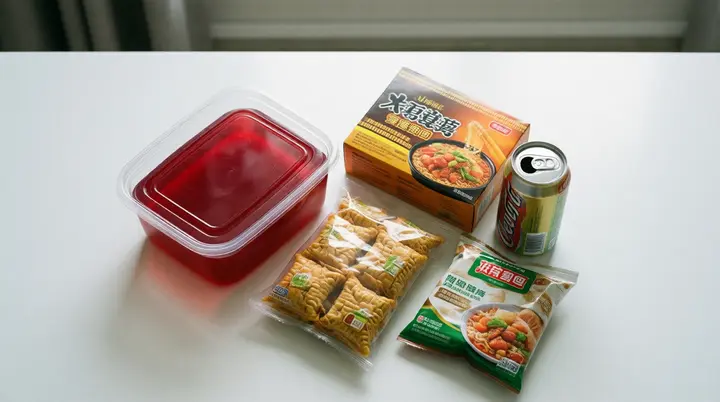
You’ve probably heard the term tossed around, but do you know what qualifies as an ultra-processed food? Think beyond the obvious culprits like chips and soda. These items often include pre-made meals, sugary cereals, energy bars, and even some flavored yogurt brands. They’re designed for shelf stability and flavor enhancement through additives like preservatives, artificial colors, and sweeteners.
The key difference between minimally processed (like frozen veggies) and ultra-processed lies in the extent of modification. While fresh produce undergoes basic prep steps to preserve its nutritional value, ultra-processed products go through industrial techniques that strip away natural goodness in favor of convenience. It’s no wonder they dominate supermarket aisles—they’re engineered to be irresistible!
3. The Hidden Dangers of Ultra-Processed Diets
Here’s the part nobody likes talking about: consistently loading up on ultra-processed stuff can lead to serious health issues over time. Studies show links between heavy consumption of these foods and conditions like obesity, heart disease, diabetes, and even certain cancers. Why does this happen? Well, because many of these products lack essential nutrients while packing excessive amounts of sugar, salt, and unhealthy fats.
Take a typical breakfast cereal box, for example. Sure, it claims to fortify you with vitamins, but flip it over and check out the ingredient list. Chances are, refined carbs and added sugars top the chart. That morning boost might feel great at first, but it sets off a blood sugar rollercoaster that leaves you craving more junk later in the day.
4. Why Nutritionists Warn Against Overeating Them
So why all the fuss from dietitians and nutritionists? Because they see firsthand how diets high in ultra-processed foods impact people’s lives—not just physically, but mentally too. When you rely too heavily on these products, you miss out on critical fiber, antioxidants, and other compounds found naturally in whole foods.
Plus, there’s evidence suggesting that these kinds of meals may actually alter gut bacteria in ways that promote inflammation throughout the body. And let’s not forget about portion control—if something tastes amazing yet lacks satiety signals, guess what happens? Yep, you end up eating way more than you intended.
5. The Science Behind the Health Risks
Diving into the nitty-gritty science behind these risks paints an even clearer picture. Research indicates that consuming large quantities of ultra-processed foods triggers metabolic changes similar to those seen during chronic stress responses. Your hormones get thrown off balance, insulin sensitivity drops, and cholesterol levels skyrocket—all precursors to major illnesses.
And here’s another kicker: some studies suggest that certain additives used in manufacturing might interfere with hormone regulation. For instance, bisphenol A (BPA), commonly found in plastic packaging, has been linked to disruptions in reproductive systems. Even small exposures add up over years, potentially leading to bigger problems down the road.
6. Common Questions
What exactly makes a food “ultra-processed”?
A good rule of thumb is looking at the ingredients list. If it reads like a chemistry textbook rather than a simple recipe, chances are it falls under this category. Items packed with synthetic additives, emulsifiers, or stabilizers usually qualify as ultra-processed.

Can I still enjoy occasional treats if I’m trying to eat healthier?
Absolutely! Moderation is key here. There’s nothing wrong with indulging now and then as long as the majority of your diet consists of nutrient-dense options. Focus on building habits around real, unadulterated ingredients so that when you treat yourself, it feels special rather than routine.
Are all packaged foods bad for me?
Not necessarily. Some canned beans, frozen fruits, or dried herbs offer convenience without sacrificing quality. Learn to differentiate between minimally altered staples and overly engineered ones by reading labels carefully.
7. Final Thoughts
Ultimately, understanding ultra-processed foods empowers you to take charge of your dietary choices. Remember, healthy eating isn’t about perfection—it’s about progress. Swapping one or two daily items for fresher alternatives can make a world of difference over time. So next time you hit the grocery store, think twice before filling your basket with anything labeled “instant” or “ready-to-eat.” Your future self will thank you—for real.